





Toughened Glass
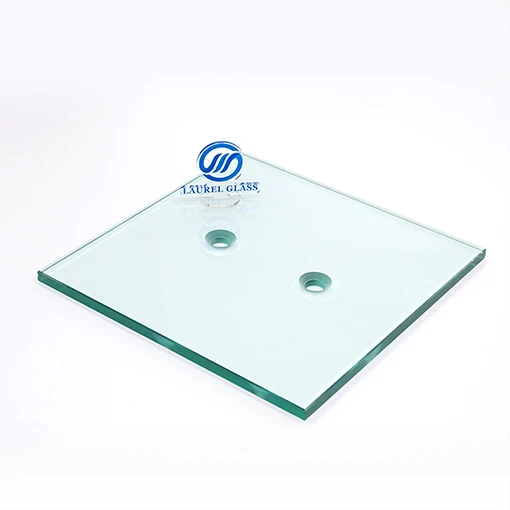
Laurel Glass supplies clear toughened glass and customized toughened glass panels for distributors, architects, contractors and commercial building developers. Available options include different glass thicknesses, sizes, colors, edge finishes and further processing according to project requirements.
Toughened Safety Glass for Architectural and Commercial Projects
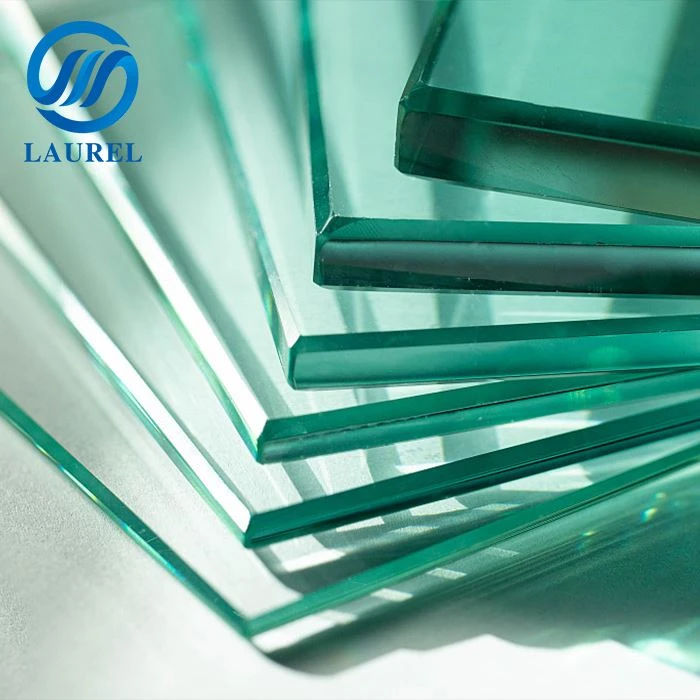
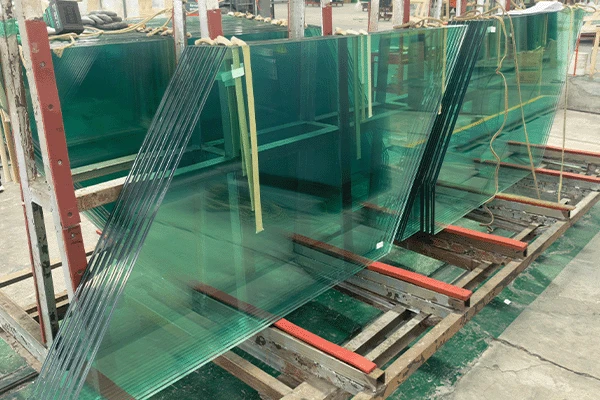
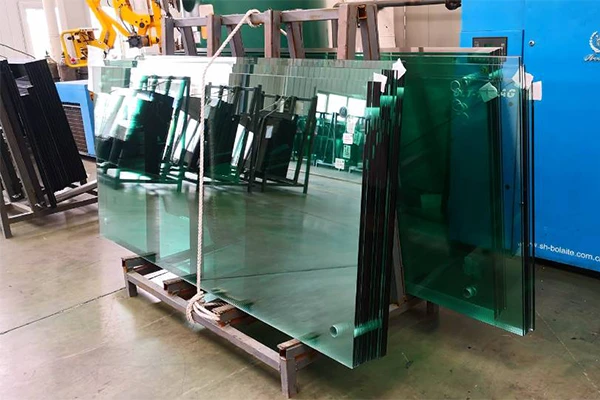
Toughened glass, also known as tempered glass, is a type of safety glass widely used in modern buildings. It is produced through a controlled heating and rapid cooling process, which increases the glass's mechanical strength and resistance to thermal stress.
Laurel Glass supplies clear toughened glass and customized toughened glass panels for distributors, architects, contractors and commercial building developers. Available options include different glass thicknesses, sizes, colors, edge finishes and further processing according to project requirements.
Products Description
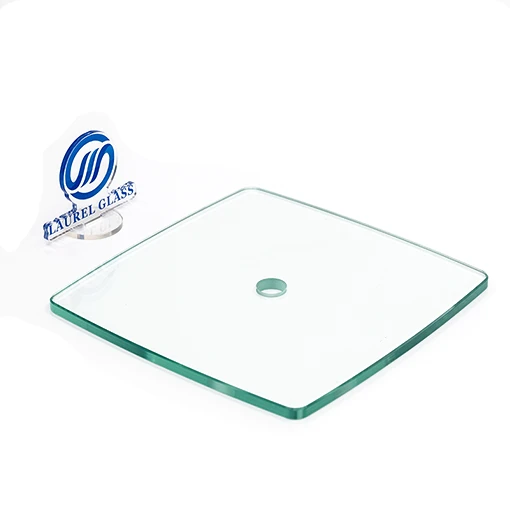
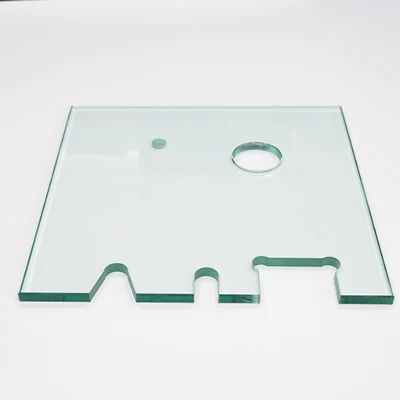
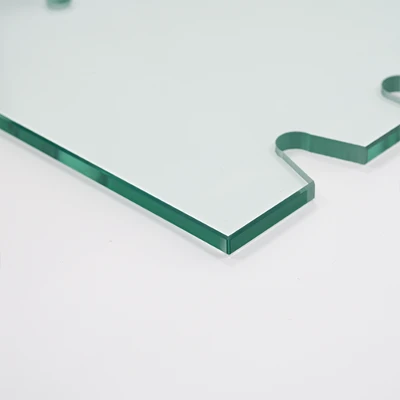
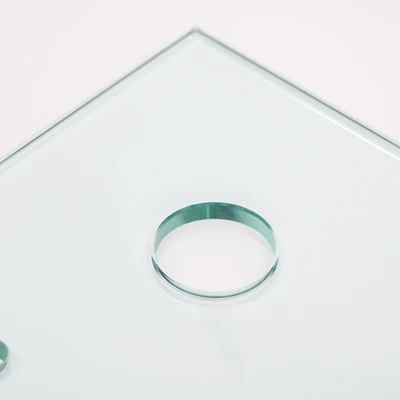
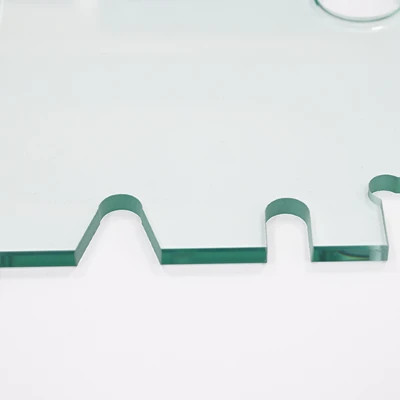
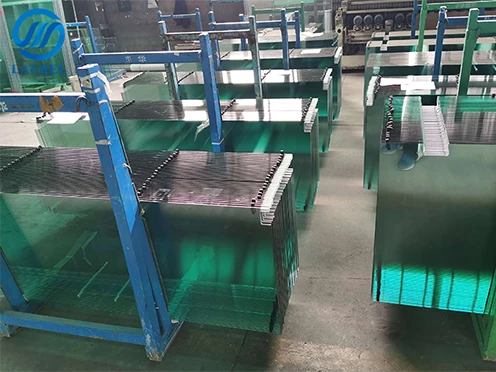
Toughened glass is manufactured from annealed float glass through a thermal tempering process. Before entering the tempering furnace, the glass is cut and processed to the required dimensions. Edge polishing, drilling, holes and cut-outs must be completed at this stage because toughened glass generally cannot be cut or drilled after tempering.
The prepared glass is heated to a high temperature and then rapidly cooled with controlled air. This creates compression on the glass surface and tension in its core, improving its mechanical strength and thermal-stress resistance. Compared with standard glass of the same thickness, toughened glass is generally around three to four times stronger, depending on the glass type and testing conditions.
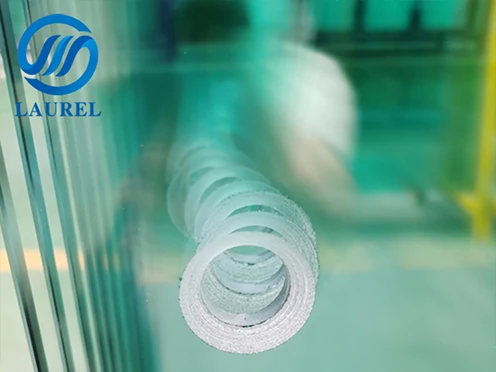
When it breaks, toughened glass usually fractures into small granular pieces. This helps reduce the risk of serious cutting injuries, although the final safety performance also depends on the glass configuration, installation and applicable building regulations.
Technical Specifications
| Glass Type | Clear, Low Iron, Tinted, Patterned and other suitable options |
| Glass Thickness | Commonly 3–19 mm, customized |
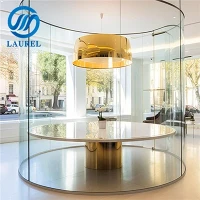
| Glass Shape | Flat or curved, subject to production capability |
| Glass Size | Customized according to thickness and processing requirements |
| Glass Color | Clear, Ultra Clear, Grey, Bronze, Green, Blue and other options |
| Edge Processing | Flat polished, arrissed, beveled or customized |
| Drilling | Available before tempering |
| Cut-outs | Available according to approved drawings |
| Corner Processing | Customized |
| Further Processing | Lamination, insulating glass and other combinations |
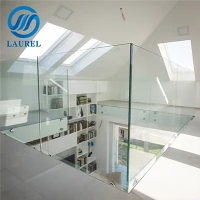
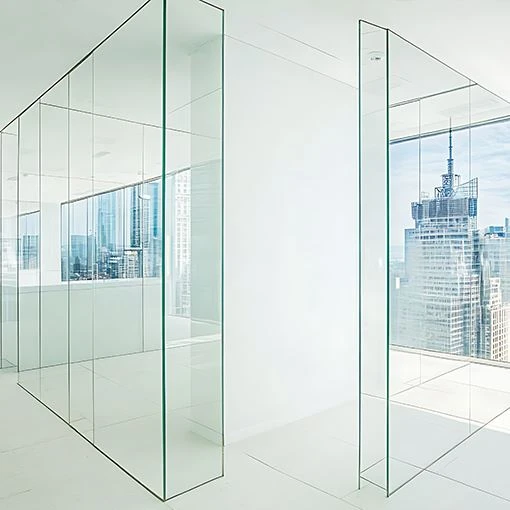
| Application | Windows, doors, curtain walls, facades, partitions, railings and commercial buildings |
The maximum size and available thickness depend on glass type, equipment and processing requirements. Special shapes, large panels and complex cut-outs should be reviewed before production.
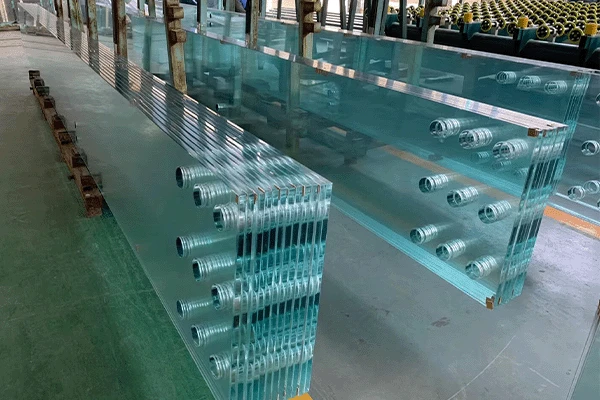
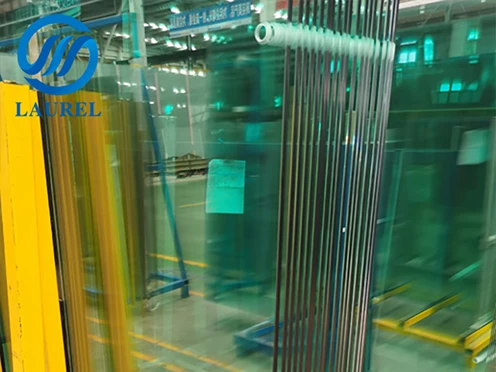
Advantages of Toughened Glass
Higher Mechanical Strength
Toughened glass has greater mechanical strength than ordinary annealed glass of the same thickness. This makes it suitable for architectural glazing exposed to impact, wind pressure and other mechanical loads.
01
Safer Breakage
When fully toughened glass breaks, it generally fractures into many small particles rather than large, sharp shards. This helps reduce the risk of serious cutting injuries compared with ordinary annealed glass.
02
Suitable for Architectural Safety Glazing
Toughened safety glass is widely used in areas where building regulations require safety glazing, including selected doors, windows, partitions and other glazed areas.
03
Flexible Design and Processing
Before tempering, glass can be cut, drilled, polished and shaped according to approved drawings. This allows manufacturers to prepare panels for different architectural designs.
04
Product Applications
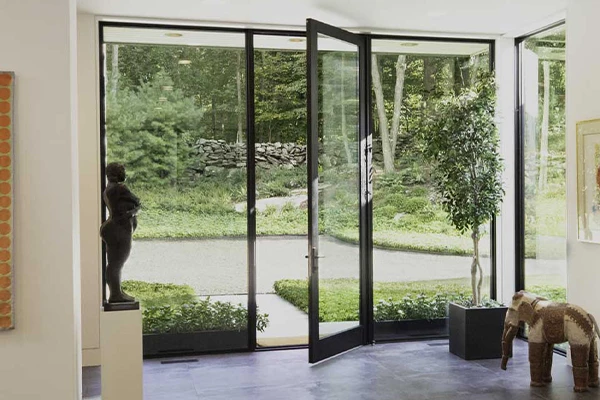
Windows and Glass Doors
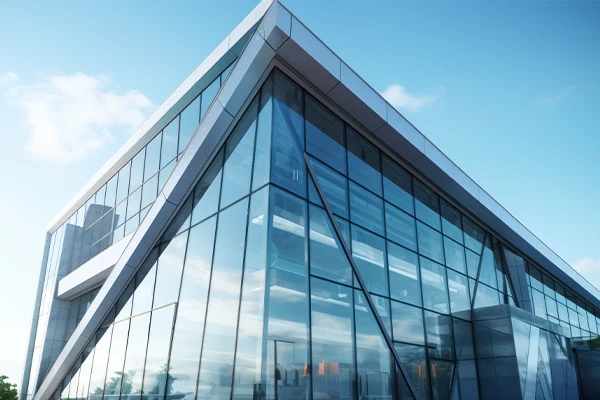
Curtain Walls and Building Facades
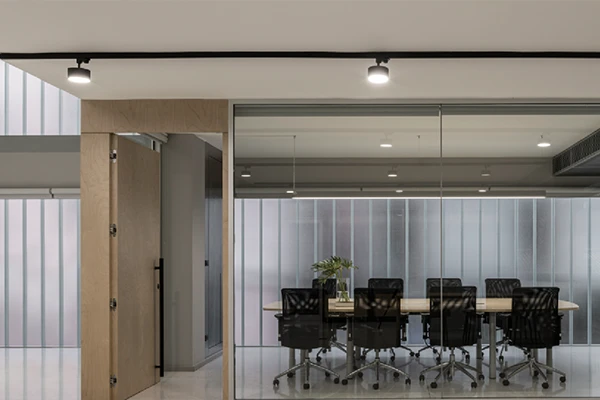
Glass Partitions
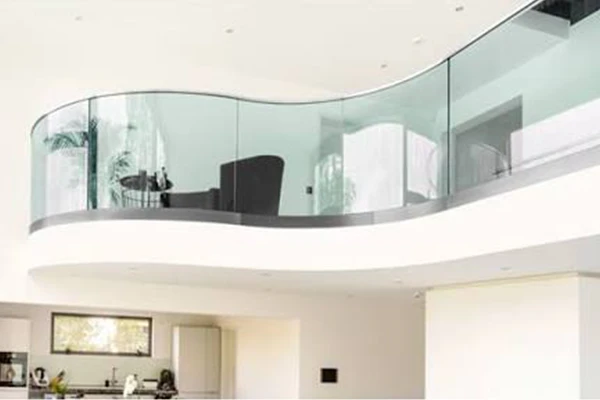
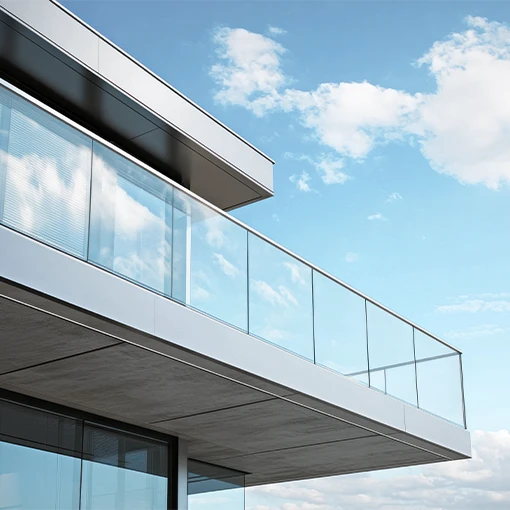
Glass Railings and Balustrades
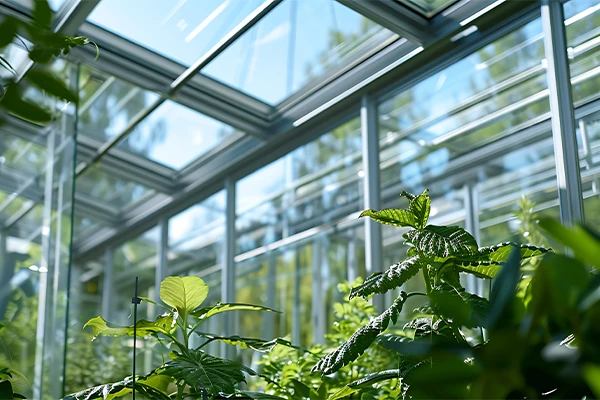
Skylights and Overhead Glazing
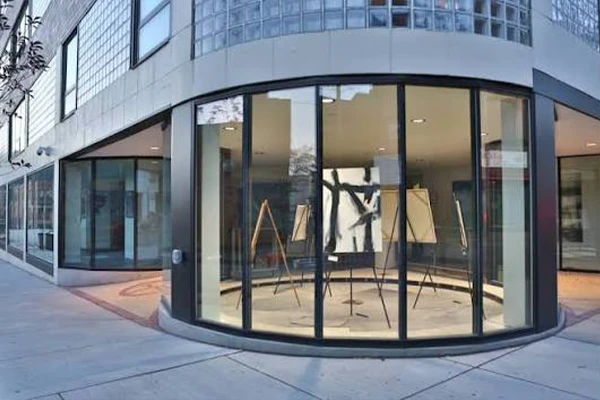
Commercial and Public Buildings
Frequently Asked Questions
Q: What is toughened glass?
A: Toughened glass is a type of safety glass produced by heating annealed glass and rapidly cooling it under controlled conditions. This process improves its mechanical strength and thermal-stress resistance. It is widely used in architectural windows, doors, facades and partitions.
Q: Is toughened glass the same as tempered glass?
A: Yes. Toughened glass and tempered glass generally refer to the same heat-treated safety glass. "Toughened glass" is more commonly used in the UK and Australia, while "tempered glass" is more familiar in the United States.
Q: What is clear toughened glass?
A: Clear toughened glass is standard clear float glass that has undergone a thermal tempering process. It combines the appearance of clear glass with improved mechanical strength and the breakage characteristics of toughened safety glass.
Q: Is toughened glass stronger than ordinary glass?
A: Yes. Toughened glass is generally around three to four times stronger than annealed glass of the same thickness, depending on the glass type and testing conditions. It also has better resistance to thermal stress.
Q: What happens when toughened safety glass breaks?
A: Toughened safety glass generally breaks into many small particles rather than large, sharp shards. This helps reduce the risk of serious cutting injuries. However, it does not eliminate all risks, and the correct glass configuration should be selected for each application.
Q: Can toughened glass be cut or drilled after tempering?
A: No. Toughened glass generally cannot be cut, drilled or modified after tempering. All holes, cut-outs, notches and edge processing must be completed before the glass enters the tempering furnace.
Q: What thicknesses are available for toughened glass?
A: Common architectural thicknesses include 4 mm, 5 mm, 6 mm, 8 mm, 10 mm, 12 mm and thicker options, depending on the glass type, panel dimensions and production capability. Custom specifications can be reviewed before ordering.
Q: Can toughened glass be used for curtain walls?
A: Yes. Toughened glass is used in curtain wall and facade systems for commercial buildings. The glass thickness, panel size, wind load, support conditions and relevant building regulations should all be considered during specification.
Q: Can toughened glass be laminated?
A: Yes. Two or more toughened glass panels can be laminated with a suitable interlayer. Toughened laminated glass combines the strength of toughened glass with the fragment-retention properties of laminated glass.
Hot Tags: toughened glass, China, suppliers, manufacturers, factory, customized, wholesale, buy, price, bulk, in stock, free sample
Previous
Low Iron Tempered GlassYou Might Also Like


Send Inquiry