





Low Iron Tempered Glass
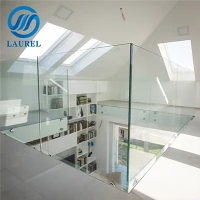
Laurel Glass supplies custom low iron tempered glass for building facades, glass railings, partitions, storefronts, doors and other projects where transparency and visual quality are important.
Ultra Clear Tempered Glass for Architectural Applications
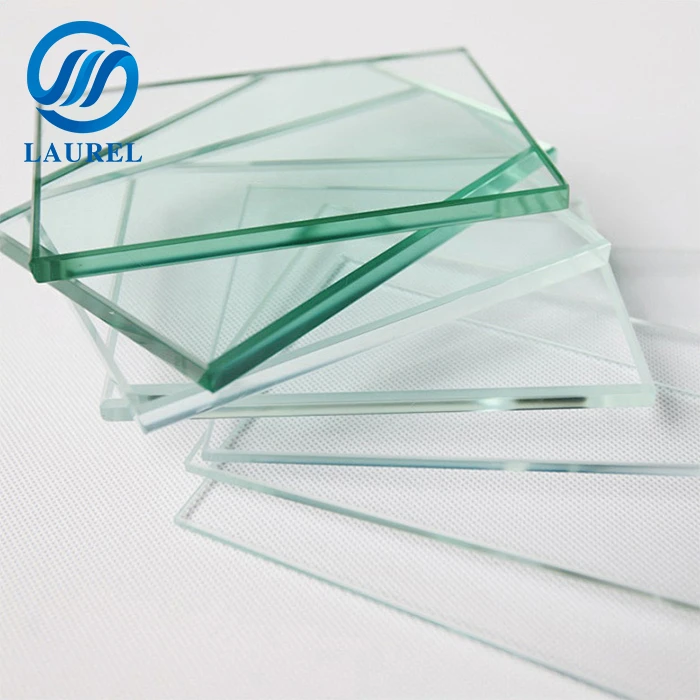
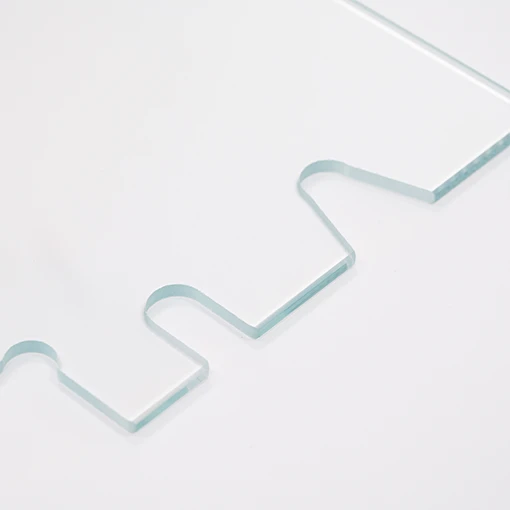
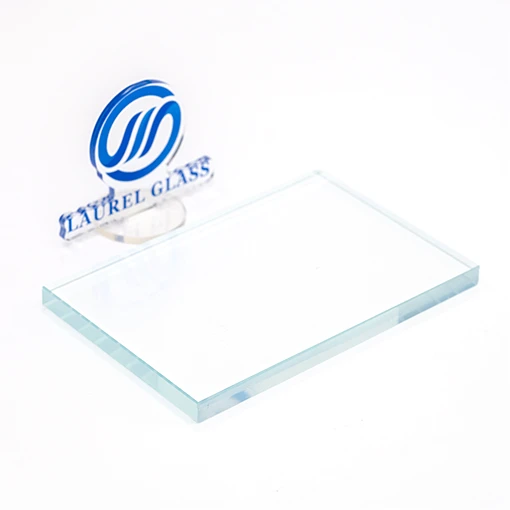
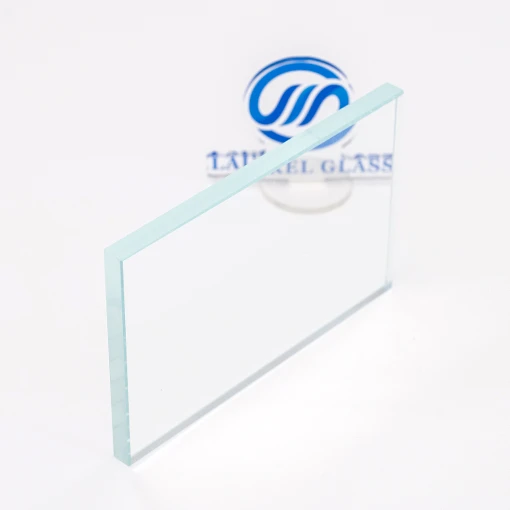
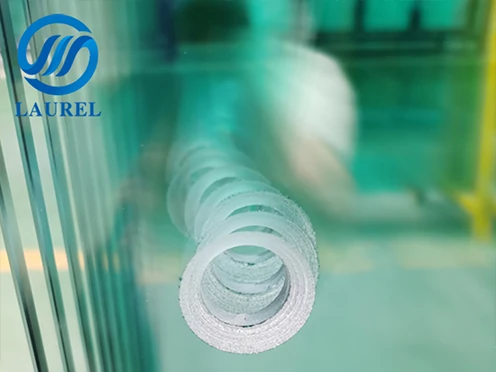
Low iron tempered glass, also known as ultra clear tempered glass or extra clear toughened glass, combines the natural transparency of low iron glass with the strength and safety characteristics of thermal tempering. Unlike standard clear glass, which may show a green tint, especially along its edges, low iron glass contains a reduced amount of iron oxide. This gives the material a cleaner, more neutral appearance and allows more natural light to pass through.
After tempering, the glass becomes more resistant to mechanical impact and temperature changes than ordinary annealed glass of the same thickness. When broken, fully tempered glass typically fragments into relatively small pieces rather than large sharp shards. Its breakage behavior makes it suitable for many architectural safety glazing applications, subject to the applicable building codes and project requirements.
Laurel Glass supplies custom low iron tempered glass for building facades, glass railings, partitions, storefronts, doors and other projects where transparency and visual quality are important.
Technical Specifications
| Glass Type | Low Iron Float Glass |
| Glass Color | Ultra Clear / Extra Clear |
| Thickness | Commonly 3–12 mm, subject to production confirmation |
| Glass Structure | Single Pane / Laminated / Insulated |
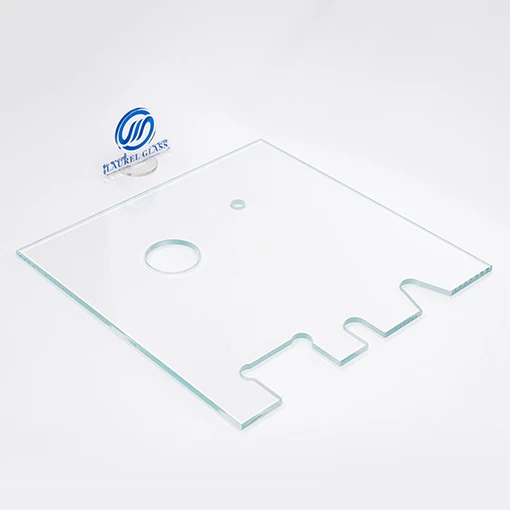
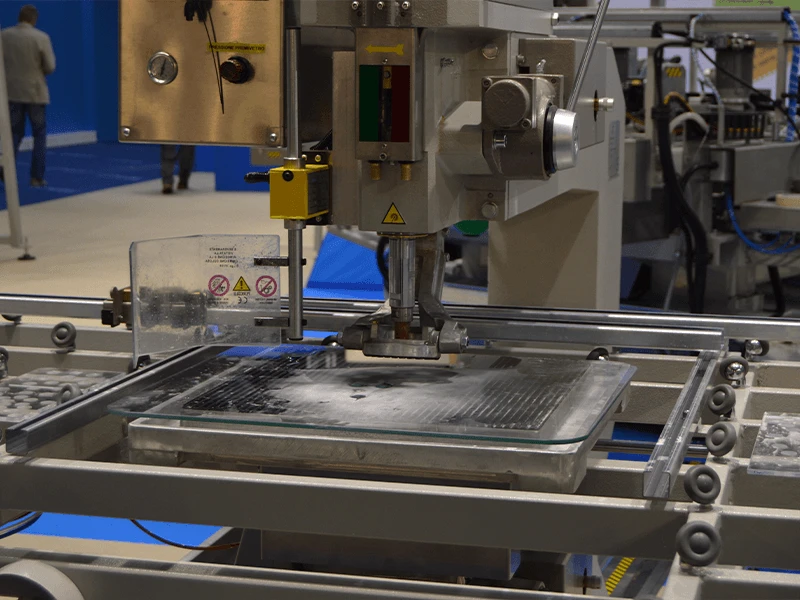
| Processing | Tempering, Edge Polishing, Drilling, Cutting, CNC Processing |
| Edge Options | Flat Polished Edge, Pencil Edge and Other Custom Edge Finishes |
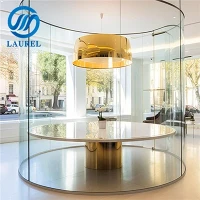
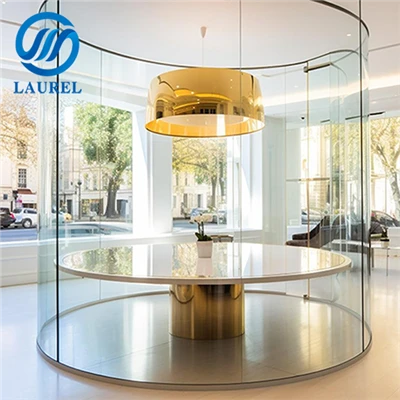
| Shape | Flat , Curved, or Custom Shape |
| Further Processing | Laminating, Insulating, Printing and Other Available Processes |
| Application | Facades, Windows, Doors, Railings, Partitions and Storefronts |
| Customization | Size, Thickness, Shape and Processing According to Project Requirements |
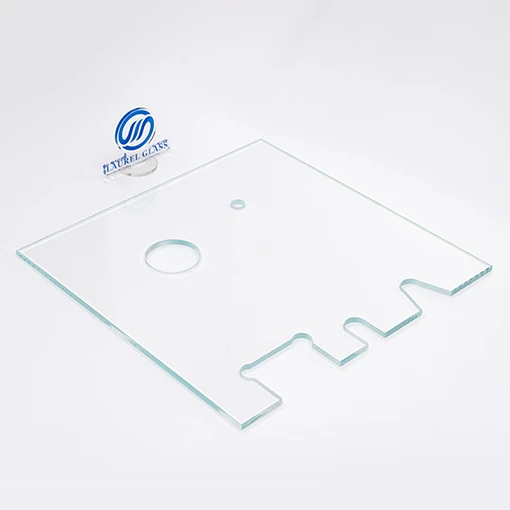
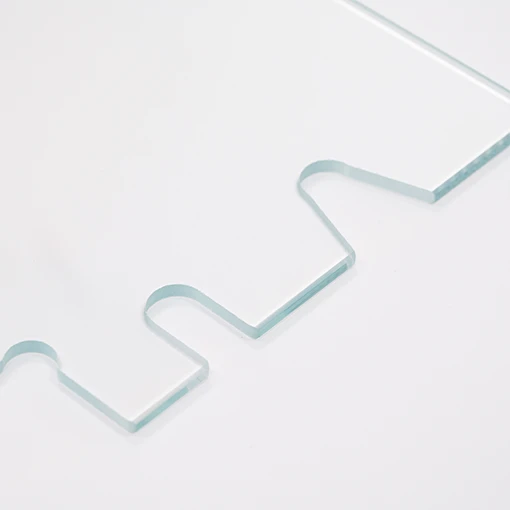
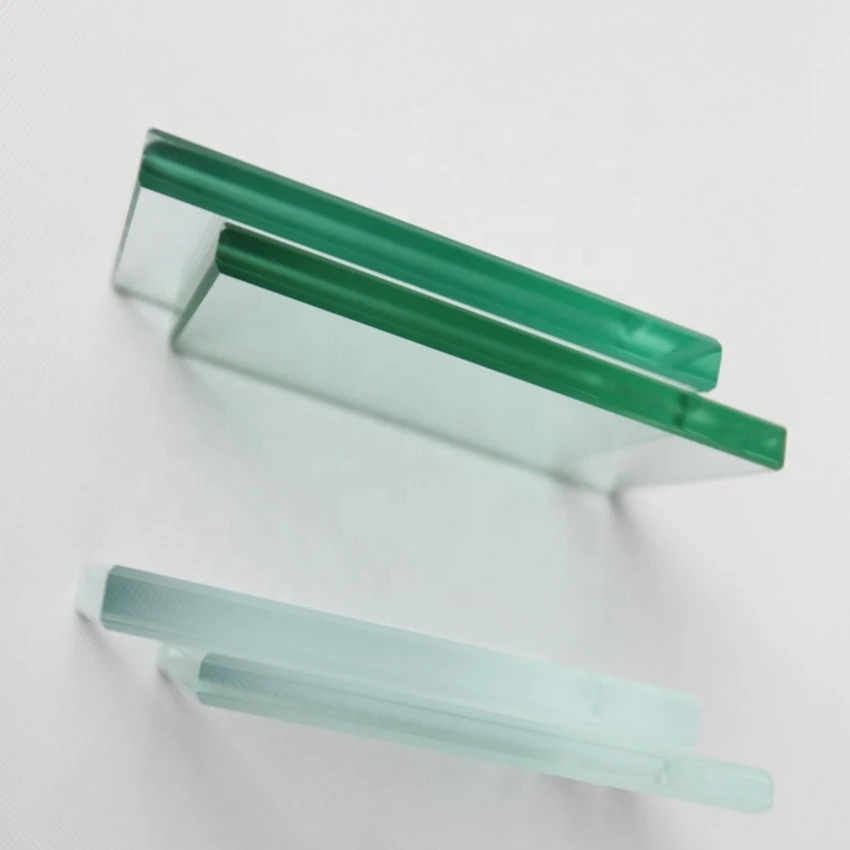
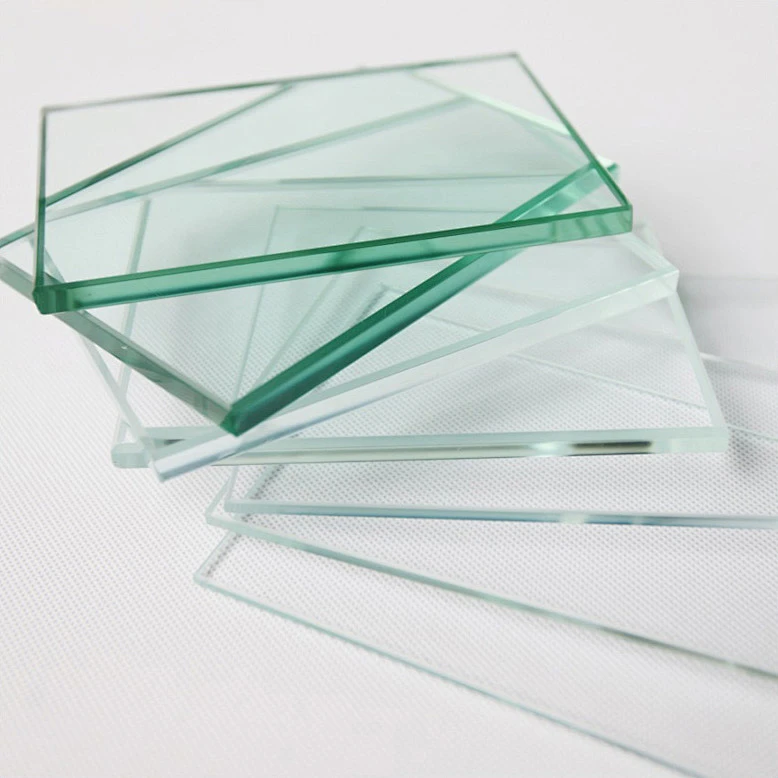
Note: Final dimensions, thickness combinations, tolerances and processing availability should be confirmed according to the glass specification and production requirements. All drilling, cut-outs and edge processing must be completed before the tempering process.
Advantages of Low Iron Tempered Glass
Better Color Visibility
Standard clear glass can slightly change the appearance of colors viewed through it. Low iron glass reduces this visual effect, allowing objects, interior finishes and decorative materials behind the glass to appear closer to their original colors.
01
Improved Mechanical Strength
The tempering process creates a compression layer on the glass surface, improving its resistance to impact and mechanical stress compared with annealed glass of the same thickness.
02
Safer Breakage
When tempered glass breaks, it generally forms small granular fragments instead of large, sharp pieces. This helps reduce the risk of serious cutting injuries compared with ordinary annealed glass.
03
Suitable for Different Glass Configurations
Low iron glass can be further processed into laminated glass, insulated glass and other customized glazing products. It can also be combined with selected coatings, decorative treatments or other glass processing options, depending on the project design.
04
Product Applications
Low iron tempered glass is commonly selected for projects where both safety glazing and a high level of transparency are required.
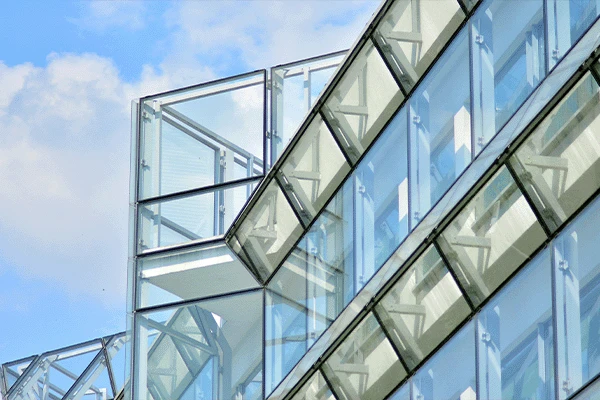
Glass Curtain Walls and Building Facades
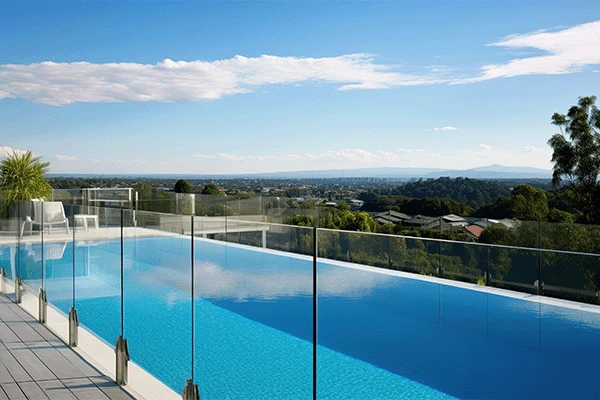
Glass Railings and Balustrades
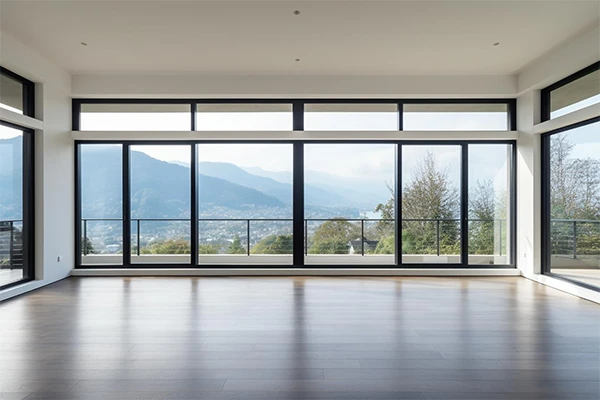
Glass Doors and Storefronts
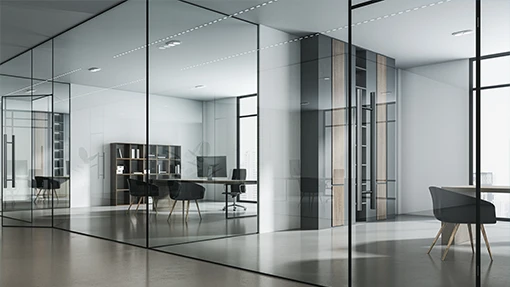
Interior Glass Partitions
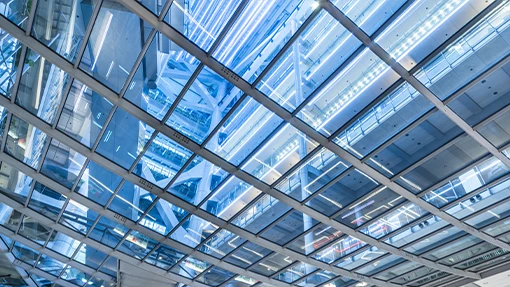
Skylights and Canopies
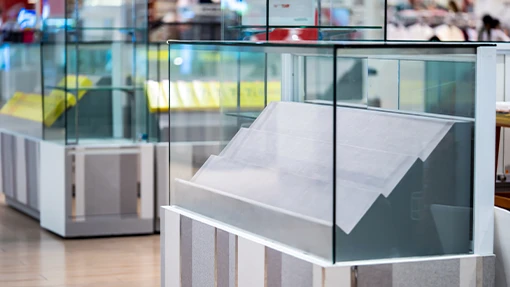
Display Cases and Decorative Glazing
Why Choose Laurel Glass as Your Low Iron Tempered Glass Supplier?
-
Custom Glass Processing
Laurel Glass provides low iron tempered glass based on project drawings and technical requirements. Customers can specify glass dimensions, thickness, edgework, holes, cut-outs and other processing details for their architectural projects.
-
Multiple Glass Configurations
In addition to single-pane low iron tempered glass, we can discuss laminated and insulated glass configurations for projects requiring different glazing functions. This helps buyers source related glass products from one supplier.
-
Support for Architectural Projects
Our products are intended for B2B applications, including commercial buildings, curtain wall systems, doors, windows, glass railings and interior glazing. We can review project specifications and discuss suitable glass configurations with customers.
-
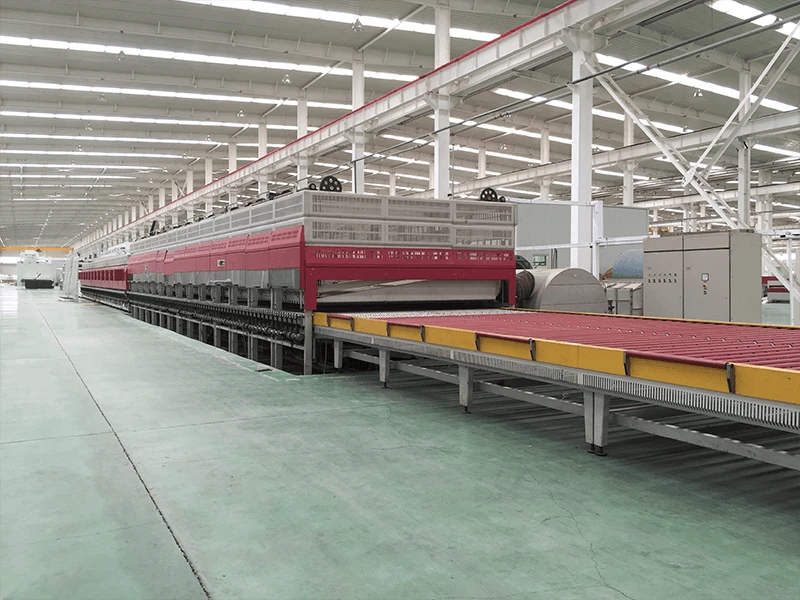
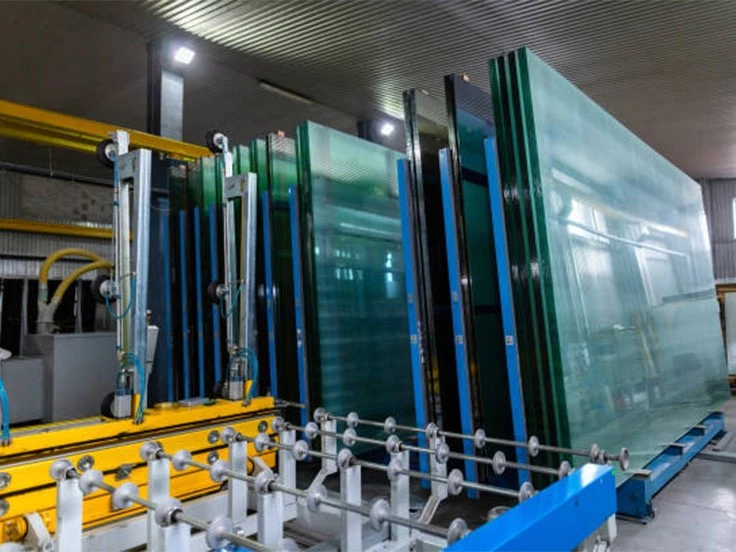
Manufacturing and Quality Inspection
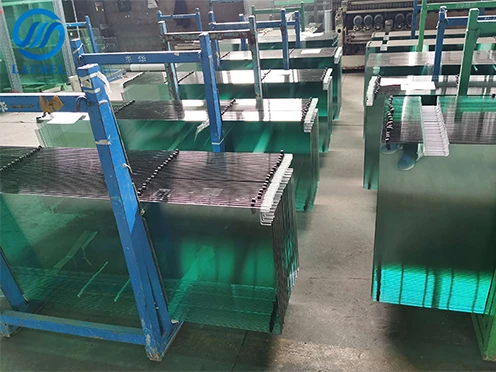
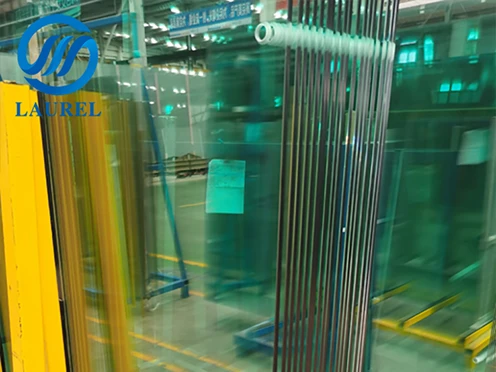
Glass production involves several stages, including cutting, edge processing, washing, tempering and final inspection. Each stage needs to be controlled to help ensure that the finished panels meet the confirmed order specifications.
-
Export-Oriented Order Support
Laurel Glass works with overseas buyers, glass distributors, contractors and project purchasers. We can discuss product specifications, packaging requirements, and shipping arrangements according to the order.
Frequently Asked Questions
Q: What is low iron tempered glass?
A: Low iron tempered glass is made by thermally toughening low iron float glass. The low iron composition reduces the green tint found in standard clear glass, while the tempering process improves its mechanical strength and changes its breakage characteristics.
Q: Is low iron tempered glass the same as ultra clear tempered glass?
A: Yes. Low iron tempered glass is commonly marketed as ultra clear tempered glass, extra clear tempered glass or low iron toughened glass. These terms generally describe low iron glass that has undergone a tempering process.
Q: What is the difference between low iron glass and regular clear glass?
A: The main difference is the iron content. Regular clear glass contains more iron oxide, which can create a greenish appearance, especially along the edges. Low iron glass reduces this coloration and provides a clearer, more neutral appearance.
Q: Is low iron tempered glass stronger than regular tempered glass?
A: Not necessarily. The low iron composition mainly affects optical clarity and color neutrality. The mechanical strength comes from the tempering process. When processed under comparable conditions and to the same applicable specifications, low iron tempered glass has similar strength characteristics to standard clear tempered glass.
Q: Can low iron glass be tempered and laminated?
A: Yes. Low iron glass can be tempered and then laminated with a suitable interlayer. Low iron tempered laminated glass combines a clearer appearance with the fragment-retention characteristics of laminated safety glass.
Q: Does low iron tempered glass have a green edge?
A: It has significantly less green coloration than standard clear glass, but it may not be completely colorless. The visible edge color can vary with glass thickness, composition and viewing conditions.
Q: What thicknesses are available for low iron tempered glass?
A: Common thicknesses include 4 mm, 5 mm, 6 mm, 8 mm, 10 mm, 12 mm, 15 mm and 19 mm. Availability depends on the required dimensions, glass configuration and production capability. Please contact us to confirm the specifications for your project.
Q: Can low iron tempered glass be used for curtain walls?
A: Yes. It can be used in architectural curtain wall and facade applications where high transparency and a neutral appearance are required. The final glass build-up should be selected according to structural loads, energy performance requirements and local building codes.
Q: What information is needed for a low iron tempered glass quotation?
A: To prepare a quotation, please provide the glass thickness, panel dimensions, quantity, edgework, holes or cut-outs, glass configuration and intended application. Technical drawings are helpful for customized architectural glass orders.
Hot Tags: low iron tempered glass, China, suppliers, manufacturers, factory, customized, wholesale, buy, price, bulk, in stock, free sample
Previous
Curved Tempered GlassNext
Toughened GlassYou Might Also Like


Send Inquiry