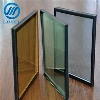

Laminated glass is widely used in modern architecture where safety, durability, and design flexibility matter. From commercial curtain walls and skylights to glass doors, partitions, and decorative applications, laminated glass provides an extra layer of protection. However, a common quality issue for users is laminated glass bubbles.
Small bubbles in laminated glass can affect appearance and may indicate problems during the lamination process. For projects that require high-performance glazing, such as commercial buildings, airports, and luxury developments, maintaining clear and high-quality laminated glass is essential.
So, how can manufacturers prevent bubbles in laminated glass?
The answer depends on every stage of laminated glass manufacturing, including raw material selection, glass preparation, PVB interlayer handling, vacuum lamination, autoclave processing, and final quality inspection.
As an experienced laminated glass supplier, Laurel Glass focuses on strict production control to reduce bubble risks and deliver reliable laminated glass solutions for architectural projects worldwide.
What is laminated glass?
Laminated glass is a type of safety glass made by bonding two or more sheets of glass together with PVB or SGP interlayer. During production, the glass and interlayer are assembled into a laminated structure, then processed through heat and pressure. The interlayer permanently bonds the glass layers together, creating a strong composite material. When the glass breaks, the interlayer holds the fragments together instead of allowing dangerous shards to fall.


Common laminated glass specifications include:
| Type | Single Laminated Glass / Multi-Layer Laminated Glass |
| Glass Type | Clear Float Glass, Ultra Clear Glass, Tempered Glass, Heat Strengthened Glass. |
| Glass Color | Clear, Ultra Clear, Grey, Bronze, Green, Blue, Customized Colors Available |
| Interlayer Material | PVB/SGP |
| Common Laminated Glass Structures | 6.38mm laminated glass (3mm + 0.38mm PVB + 3mm) |
|
8.76mm laminated glass (4mm + 0.76mm PVB + 4mm) |
|
| 10.76mm laminated glass (5mm + 0.76mm PVB + 5mm) |
Why bubbles appear during and after lamination
Laminated glass bubbles can occur during manufacturing or develop after installation. The main causes usually relate to materials, processing conditions, or environmental factors.
-
Poor PVB Interlayer Handling
The PVB film is highly sensitive to moisture and contamination. During laminated glass manufacturing, excessive humidity, dust, fingerprints, or improper storage conditions can affect the bonding performance between glass and PVB. If moisture remains trapped between the glass and interlayer, bubbles may appear during heating. Professional manufacturers store PVB film in controlled environments to maintain stable quality.
-
Insufficient Vacuum Lamination
Vacuum lamination removes air trapped between the glass and PVB layer before final bonding. If the vacuum process is incomplete, remaining air pockets may expand during heating, creating visible bubbles. A stable vacuum lamination process is one of the key steps to prevent bubbles in laminated glass.
-
Incorrect Autoclave Processing
After vacuum lamination, laminated glass usually enters an autoclave where high temperature and pressure complete the bonding process. Incorrect autoclave parameters can lead to poor adhesion. Common issues include: temperature too low, pressure not reaching the required level, processing time too short, uneven heating. Professional laminated glass manufacturers carefully monitor these parameters to ensure consistent results.
-
Environmental Changes After Installation
Sometimes laminated glass bubbles appear after installation rather than during production. Possible reasons include: long-term exposure to extreme heat, poor edge sealing, water penetration, and incompatible glazing materials
For exterior architectural applications, correct installation methods are just as important as manufacturing quality.
How Laurel Glass Prevents Bubbles in Laminated Glass
High-quality laminated glass requires strict control throughout the entire manufacturing process. Laurel Glass applies a complete quality management system to reduce bubble risks and ensure reliable performance.
1. Strict Material Control
Laurel Glass carefully selects High-quality float glass, reliable PVB interlayers, and certified raw materials. PVB film is stored under controlled temperature and humidity conditions to prevent moisture absorption. Before production begins, technicians inspect every detail. This helps avoid problems before the lamination process starts.
2. Professional Vacuum Lamination Process
During lamination, Laurel Glass uses controlled vacuum processing to remove trapped air between glass and PVB. The process ensures even contact between layers, reduced air pockets, and improved bonding performance.
3. Advanced Autoclave Processing
After vacuum preparation, laminated glass enters an autoclave for final bonding. The autoclave process applies controlled each sector
to allow the PVB layer to bond firmly with the glass. Stable autoclave parameters help prevent internal defects and improve long-term durability.
4. Laminated Glass Quality Control
Quality inspection is an important part of Laurel Glass laminated glass manufacturing. Each panel is checked for bubble defects, optical clarity, edge quality, glass surface condition, and bonding performance. Before shipment, finished products are inspected according to project requirements.


Can Bubbles in Laminated Glass Be Repaired?
In most cases, laminated glass bubbles cannot be repaired after the lamination process is completed. Because the glass and interlayer are permanently bonded, removing internal bubbles without damaging the structure is extremely difficult.
The bubbles that appear in finished laminated glass and minor edge defects caused during installation may sometimes be addressed by improving sealing or replacing glazing materials. If bubbles exist inside the laminated structure, replacement is usually the recommended solution.
Conclusion
Laminated glass provides excellent safety, acoustic performance, UV protection, and design flexibility, making it an important material for modern architectural projects. However, producing clear and reliable laminated glass requires careful control throughout every manufacturing stage. From selecting interlayer materials and maintaining clean production conditions to applying vacuum lamination, autoclave processing, and strict inspection, every step influences the final result.
Laurel Glass continues to improve its laminated glass manufacturing processes to provide high-quality solutions for commercial buildings, curtain walls, and customized architectural applications. Working with an experienced laminated glass supplier helps reduce risks and ensures long-lasting glazing performance.