
In modern architecture, glass is no longer limited to providing transparency and natural light. With advances in glass processing technology, architects and designers now have more options to combine aesthetics, performance, and sustainability in building design.
One of these innovations is fritted glass, a type of architectural glass created by applying a ceramic frit coating onto the glass surface and permanently bonding it through a heat treatment process. With its customizable appearance and functional advantages, ceramic fritted glass for architectural applications has become a popular choice for commercial buildings, office façades, public spaces, and modern design projects.
As a professional glass manufacturer, I believe fritted glass offers significant benefits in design flexibility, privacy control, energy efficiency, and long-term durability, making it a practical solution for many architectural applications.
Design Freedom and Aesthetic Appeal
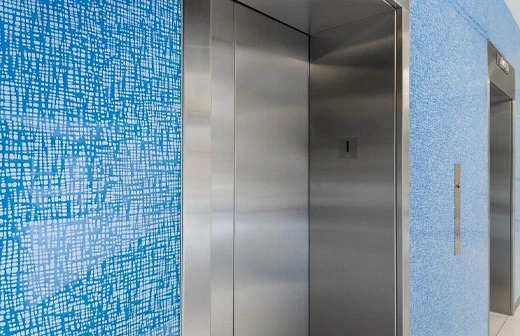
One of the biggest advantages of fritted glass is the creative freedom it provides for architects and designers. Unlike standard clear glass, fritted glass allows customized patterns, colors, textures, and opacity levels to be applied to the surface, creating unique visual effects while maintaining the functional benefits of glass.
By using custom fritted glass patterns, designers can create everything from subtle decorative details to large-scale façade graphics. Whether the goal is a modern office exterior, an artistic building façade, or a branded architectural feature, fritted glass provides more possibilities to turn design concepts into reality.
The ceramic frit layer can also be customized according to project requirements, allowing architects to control the appearance of the glass while balancing daylight performance and visual comfort. This makes decorative fritted glass for building facades a versatile option for projects that require both aesthetics and functionality.
Enhanced Privacy and Glare Control
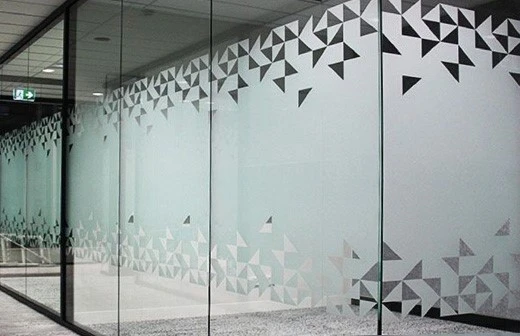
Fritted glass provides an effective solution for improving privacy without completely blocking natural light. By adjusting the density, pattern, and coverage area of the ceramic frit coating, architects can control the level of transparency and create different privacy effects.
For example, in office environments, conference rooms, entrances, and interior partitions, fritted glass privacy solutions allow daylight to enter while reducing direct visibility from outside. This creates a more comfortable and private indoor environment without sacrificing the connection between interior spaces and the outdoors.
In addition, the ceramic frit pattern helps reduce glare caused by direct sunlight. This is especially valuable in buildings with large glass façades, where excessive glare can affect occupant comfort and productivity. By controlling sunlight transmission, fritted glass helps create a more balanced indoor environment.
Energy Efficiency and Sustainability
Energy performance has become a key consideration in modern building design. Fritted glass contributes to sustainable construction by helping control solar heat gain and improve indoor comfort.
The ceramic frit coating works as a solar control layer by reducing the amount of solar radiation entering the building. This helps minimize overheating during hot seasons and reduces dependence on air conditioning systems. As a result, energy-efficient fritted glass can support lower energy consumption and improved building performance.
By managing natural light more effectively, fritted glass can also reduce the need for artificial lighting during daytime hours. This combination of daylight optimization and solar control makes fritted glass a suitable choice for green building projects where energy efficiency and environmental responsibility are priorities.
For commercial buildings, schools, and public facilities, choosing fritted glass for solar control can contribute to better occupant comfort while helping reduce long-term operating costs. In projects with strict thermal performance requirements, designers often combine fritted glass with other technologies such as Low-E coatings or insulated glass units to achieve better overall performance.
Durability and Easy Maintenance
Besides its design and performance advantages, fritted glass is also valued for its durability and low maintenance requirements.
During production, the ceramic frit coating is fused permanently onto the glass surface through a high-temperature tempering or heat-strengthening process. This creates a strong bond that prevents the coating from peeling, fading, or wearing away under normal conditions.
Compared with surface-applied decorative films or coatings, durable fritted glass for commercial buildings offers better long-term stability and weather resistance. It can maintain its appearance even when exposed to sunlight, temperature changes, and daily environmental conditions.
The smooth glass surface is also easy to clean and maintain, helping building owners reduce maintenance costs throughout the service life of the product. This makes fritted glass a reliable choice for large-scale architectural projects where both appearance and performance need to remain consistent over time.
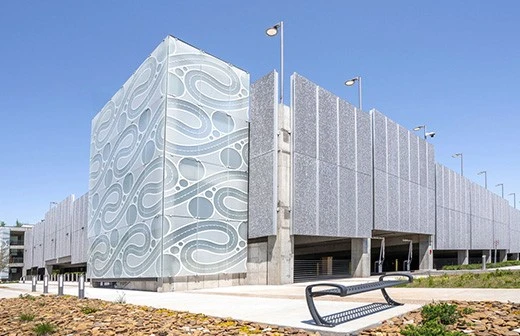
Why Choose Fritted Glass for Architectural Projects?
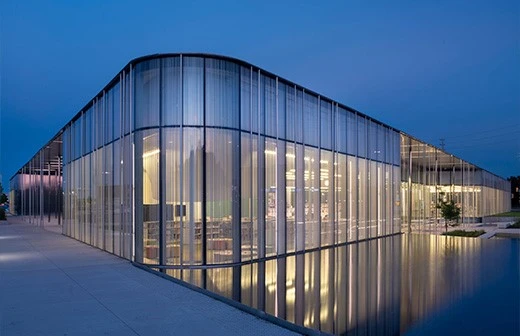
Fritted glass combines decorative flexibility with practical performance, making it more than just an aesthetic material. It helps architects achieve creative designs while improving privacy, controlling sunlight, enhancing energy efficiency, and reducing maintenance requirements.
From custom architectural glass facades to energy-conscious commercial buildings, fritted glass provides a flexible solution that meets the changing needs of modern construction.
When selecting fritted glass for a project, factors such as pattern design, glass type, coating coverage, and performance requirements should be carefully considered to achieve the best balance between appearance and functionality.
With the right design and manufacturing support, fritted glass can transform ordinary glass surfaces into durable, efficient, and visually impressive architectural elements.