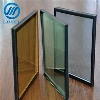

Choosing the right shower glass is about more than finding a glass panel that looks good. The glass needs to provide the right level of safety, clarity, privacy, durability, and visual appeal for the bathroom.
For contractors, architects, bathroom manufacturers, and glass distributors, the selection also needs to match the requirements of the project. Glass thickness, processing, surface finish, color, and glass type can all affect the final result.
With several options available, it can be difficult to know which type of bathroom glass is the right fit. This guide explains the main shower glass options and the factors worth considering before placing an order.

What Makes Glass Suitable for a Shower?
A shower environment exposes glass to water, temperature changes, cleaning products, and frequent daily use. Standard annealed glass is therefore not normally the right choice for shower enclosures.
For most applications, tempered glass is preferred because it offers improved mechanical strength and safer breakage characteristics. Depending on the project, other glass types and surface treatments can be selected to achieve different levels of privacy, transparency, and appearance.
The right choice usually starts with four questions:
- How much transparency does the bathroom require?
- Is privacy important?
- What appearance should the bathroom glass have?
- What thickness and processing are appropriate for the application?
Once these requirements are clear, selecting the right shower glass becomes much easier.
1. Clear Tempered Glass
Clear tempered glass remains one of the most widely used options for shower enclosures. It provides high transparency and allows light to move freely through the bathroom. This makes it especially suitable for smaller bathrooms where maintaining a spacious visual effect is important.
Learn more about Laurel tempered glass
2. Low Iron Glass
Standard clear glass contains a small amount of iron oxide, which can give thicker glass a subtle green edge. Low iron glass reduces this green tint and provides improved optical clarity. It is particularly suitable for high-end bathrooms, luxury residential projects, hotels, and commercial interiors.
Low-iron shower glass can also create a more refined appearance when used in frameless-style glass enclosures.
Learn more about Laurel Low Iron Glass
3. Frosted Glass
When privacy is a priority, frosted shower glass can provide a useful balance between light transmission and visual screening. Frosted glass has a translucent surface that diffuses light and reduces direct visibility through the panel. It can therefore be used in bathrooms where occupants prefer more privacy without making the space completely dark.
Learn more about Laurel Frosted Glass
4. Patterned and Textured Glass
Patterned glass offers another way to introduce privacy while adding visual character to a shower enclosure. Different surface patterns can change how light passes through the glass. Some designs provide a relatively high level of privacy, while others create a softer visual effect without significantly reducing brightness.
Learn more about Laurel Patterned and Textured Glass
5. Tinted Shower Glass
Grey, bronze, and other tinted glass options can introduce color while reducing transparency. Tinted glass is also useful when the project requires more visual privacy than standard clear glass provides.
For designers and contractors working on hospitality or high-end residential projects, tinted bathroom glass can be selected as part of the overall interior color scheme rather than treated simply as a functional enclosure material.
Learn more about Laurel Tinted Glass
6. Laminated Glass
Laminated glass is made by bonding two glass sheets together with an interlayer. When the glass is damaged, the interlayer helps hold the broken pieces together. This construction gives laminated glass different safety characteristics from monolithic tempered glass. It can also provide additional acoustic performance, depending on the glass and interlayer combination.
Laminated glass is not the standard choice for every shower enclosure, but it can be considered for projects where enhanced safety, sound reduction, or a specific glass configuration is required.
Learn more about Laurel Laminated Glass


How to Choose the Right Shower Glass Thickness
Common thickness options for shower glass may include 6 mm, 8 mm, 10 mm, and other specifications depending on the project. The appropriate thickness can depend on panel dimensions, installation conditions, edge processing, glass type, and the requirements of the final application.
Larger panels may require a different specification from smaller panels. A custom bathroom glass project may also require specific edgework, drilling, cut-outs, or other processing before tempering.
A professional shower glass supplier should be able to review the dimensions and processing requirements before production.
What to Look for in a Shower Glass Manufacturer
When sourcing shower glass for a project, the quality of the glass is only one part of the decision. The manufacturer's production capabilities also matter.
A reliable shower glass manufacturer should provide consistent glass quality, precise dimensions, reliable processing, and clear technical specifications. For export projects, it is also useful to confirm whether the supplier can support custom sizes, different glass types, surface finishes, packaging requirements, and batch production.
At Laurel Glass, we manufacture and supply architectural and processed glass for international projects. Our shower glass solutions can be produced in different glass types, thicknesses, sizes, and finishes according to project requirements.
If you are sourcing shower glass from a factory or supplier, provide your required glass type, thickness, size, finish, and quantity. Our team can recommend a suitable glass specification based on your project requirements.
FAQ About Shower Glass
Q: Is tempered glass suitable for shower enclosures?
A: Yes. Tempered glass is widely used for shower enclosures because its heat-treated construction provides higher strength and safer breakage characteristics than standard annealed glass.
Q: What is the best glass for a bathroom glass door?
A: Clear tempered glass is a common choice for bathroom glass doors. Low-iron, frosted, patterned, and tinted glass can also be selected depending on transparency, privacy, and design requirements.
Q: Is low-iron glass better than clear glass for a shower?
A: Low-iron glass provides higher optical clarity and less of the green tint associated with standard clear glass. It is particularly suitable for projects where color accuracy and visual clarity are important.
Q: Can frosted glass be used for shower enclosures?
A: Yes. Frosted glass can be used when additional privacy is required. It allows light to pass through while reducing direct visibility.
Q: What thickness is commonly used for shower glass?
A: Common specifications include 6 mm, 8 mm, and 10 mm, but the appropriate thickness depends on panel dimensions, processing, installation conditions, and project requirements.
Q: Can shower glass be customized?
A: Yes. Shower glass can be customized in terms of size, thickness, glass type, surface finish, edge processing, holes, cut-outs, and other requirements, depending on the manufacturer's production capabilities.
Q: How can I choose a reliable shower glass supplier?
A: Look for a supplier that can provide consistent glass quality, accurate processing, custom specifications, stable production capacity, suitable packaging, and technical support for your project.