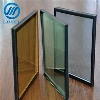

Many people think laminated glass cannot break because it is widely known as a safety glass solution. But is that really true? Can laminated glass withstand all types of impacts, or will it eventually fail under extreme conditions?
The answer is simple: laminated glass is breakable, but it breaks differently from ordinary glass. Instead of shattering into dangerous fragments that fall apart immediately, laminated glass keeps the broken pieces bonded together through a strong interlayer, helping maintain the overall structure and reducing safety risks.
This unique performance makes laminated glass a preferred choice for applications where human safety matters, including high-rise façades, glass railings, skylights, storefronts, and security glazing systems. For architects, contractors, and developers, understanding how laminated glass behaves after breakage is essential. The right glass specification can improve building safety, enhance design flexibility, and provide long-term performance.
Is Laminated Glass Breakable?
Laminated glass can break under sufficient impact force. However, its biggest advantage is not that it never breaks, but that it provides protection after breakage happens.
Annealed glass can break into large, sharp pieces that may fall immediately. Tempered glass is stronger and breaks into small fragments, but it can lose its structural integrity once shattered. Laminated glass works differently because it combines multiple glass layers with an elastic interlayer, usually PVB or SGP. When an impact occurs, the glass layers may crack, but the interlayer continues holding the fragments together.

For example, a common architectural specification is 6.38mm laminated glass, which consists of two 3mm glass sheets bonded with a 0.38mm PVB layer. For higher safety requirements, projects may use thicker combinations.
What Happens When Laminated Glass Breaks?
When laminated glass breaks, cracks usually spread across the glass surface, creating a spider-web pattern. However, the interlayer continues to hold the broken glass pieces together.
A good example comes from hurricane-prone regions such as Florida and coastal areas in the United States. Building codes often require laminated impact-resistant glazing for windows and doors because the glass must remain in place after strong wind pressure and flying debris impact. During hurricanes, ordinary glass may break and create openings that allow wind and rain to enter buildings. Laminated impact glass helps maintain the building envelope by keeping broken glass bonded together.

Conclusion
Laminated glass can break, but its unique structure allows it to perform differently from ordinary glass. Instead of immediately falling apart into dangerous fragments, laminated glass keeps broken pieces attached through a strong interlayer, improving safety and reducing risks.
Its combination of impact resistance, security performance, sound insulation, and design flexibility makes it one of the most reliable glazing solutions for modern architecture. From skyscraper façades and glass railings to skylights and security applications, laminated glass continues to support safer and more innovative building designs.