Hey there! As a float glass supplier, I often get asked about the acoustic performance of float glass. So, I thought I'd take a moment to break it down for you.
First off, let's talk about what float glass is. Float glass is a type of flat glass made by floating molten glass on a bed of molten tin. This process results in a smooth, uniform surface that's widely used in windows, doors, and other applications.
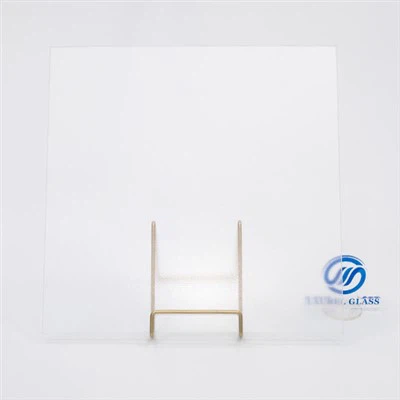
Now, when it comes to acoustic performance, float glass has its pros and cons. On the plus side, it can provide a certain level of sound insulation. The thickness of the glass plays a big role here. Thicker glass generally offers better soundproofing. For example, our 5mm 6mm clear float glass can help reduce the amount of noise that comes through.
However, float glass isn't a miracle solution for soundproofing. It's not as effective as some specialized acoustic glass products. But it's a cost - effective option for many applications.
The way float glass reduces sound is through a combination of factors. When sound waves hit the glass, some of the energy is reflected back, and some is absorbed by the glass. The density and thickness of the glass determine how much of each happens.
Let's take a closer look at different types of float glass and their acoustic properties.
Clear Float Glass
Clear float glass is the most common type. It's transparent and offers a basic level of sound insulation. The 5mm and 6mm clear float glass we supply can block out a fair amount of external noise. It's great for residential windows where you want a clear view while keeping some of the noise at bay.
Tinted Float Glass
Tinted float glass, like our Bronze Float Glass and Blue Float Glass, not only provides some level of privacy and sun protection but also has similar acoustic properties to clear float glass. The tint doesn't significantly change the sound - blocking ability, but it does add other benefits.
How to Improve the Acoustic Performance of Float Glass
If you're looking to enhance the acoustic performance of float glass, there are a few things you can do. One option is to use double - glazing. By having two layers of glass with a gap in between, you can increase the sound insulation. The air gap acts as an additional barrier to sound waves.
Another way is to use laminated glass. Laminated float glass has a layer of plastic between two layers of glass. This plastic layer helps to dampen the sound and can significantly improve the acoustic performance.

Real - World Applications
Float glass is used in a wide range of applications where acoustic performance matters. In residential buildings, it's used for windows to keep out street noise and make the living environment more peaceful. In commercial buildings, it can be used in offices to reduce distractions from outside traffic or other noise sources.
In hotels, float glass helps to create a quiet and comfortable environment for guests. And in schools, it can be used to minimize noise from the playground or the hallway, allowing students to focus better.
Factors Affecting Acoustic Performance
Apart from the thickness and type of glass, other factors can affect the acoustic performance of float glass. The quality of the installation is crucial. If the glass is not properly sealed, sound can easily leak through the gaps.
The frame around the glass also plays a role. A well - designed frame can help to improve the overall sound insulation. For example, frames made of materials with good sound - absorbing properties can enhance the acoustic performance of the glass.
Conclusion
So, in a nutshell, float glass can offer a decent level of acoustic performance, especially when you consider its cost - effectiveness. Whether you choose clear float glass, tinted float glass, or take steps to improve its performance, it can be a great choice for various applications.
If you're interested in learning more about our float glass products and their acoustic performance, or if you're looking to make a purchase, I'd love to have a chat with you. We can discuss your specific needs and find the best solution for you. Don't hesitate to reach out and start a conversation about your float glass requirements.
References
- Glass Association of North America. (2023). Technical information on glass products.
- International Glazing Association. (2023). Guide to glass performance.