In the world of modern architecture and energy efficiency, vacuum glass has emerged as a revolutionary solution. As a leading supplier of vacuum glass, I am excited to share with you the numerous advantages of this remarkable product.
Energy Efficiency
One of the most significant advantages of vacuum glass is its exceptional energy - saving capabilities. In a world where energy conservation is increasingly crucial, vacuum glass offers a highly effective way to reduce energy consumption in buildings.
The vacuum layer within the glass acts as an excellent insulator. Heat transfer occurs primarily through conduction, convection, and radiation. In the case of vacuum glass, the absence of air in the vacuum layer eliminates heat transfer by conduction and convection. This means that during cold weather, heat from inside the building is less likely to escape, and in hot weather, external heat is less likely to enter.
Compared to traditional Double Glazing Glass, which has a gas - filled cavity, and Triple Glazing Glass, vacuum glass can provide even better thermal insulation. This energy efficiency not only helps to lower heating and cooling costs for building owners but also contributes to a more sustainable environment by reducing overall energy demand.
Sound Insulation
Noise pollution is a common problem, especially in urban areas or near busy roads, airports, and industrial zones. Vacuum glass offers excellent sound insulation properties, making it an ideal choice for buildings where a quiet indoor environment is desired.
The vacuum layer in the glass serves as a barrier to sound waves. Sound waves require a medium, such as air or solid materials, to travel. Since the vacuum layer has no air, it significantly reduces the transmission of sound. This means that buildings equipped with vacuum glass can effectively block out external noise, creating a peaceful and quiet interior space. Whether it's for residential homes, offices, or hotels, the ability to reduce noise intrusion is a valuable feature of vacuum glass.
Condensation Resistance
Condensation on windows can be a nuisance. It not only obstructs the view but can also lead to moisture-related problems such as mold growth and damage to window frames and interior finishes. Vacuum glass has excellent condensation resistance.
The high thermal insulation properties of vacuum glass help to keep the inner surface of the glass at a relatively constant temperature. As a result, it is less likely for the surface temperature to drop below the dew point, which is the temperature at which condensation forms. This means that buildings with vacuum glass are less likely to experience condensation on their windows, maintaining clear views and a dry interior environment.
Safety and Durability
Vacuum glass is also designed with safety and durability in mind. The glass is usually made of high - strength materials that can withstand impacts and environmental stresses. In the event of breakage, the design of vacuum glass helps to prevent the spread of shards.
The edges of the vacuum glass are sealed to protect the vacuum layer. This sealing process ensures the long - term stability of the vacuum and the overall performance of the glass. With proper installation and maintenance, vacuum glass can have a long service life, providing reliable performance for many years.
Aesthetics
In addition to its functional advantages, vacuum glass also offers aesthetic benefits. The sleek and modern appearance of vacuum glass can enhance the overall look of a building. It can be used in a variety of architectural styles, from contemporary to traditional.
Heat Insulating Double Glazing Glass For Curtain Wall made of vacuum glass can create a seamless and elegant facade, making the building more visually appealing. The transparency of vacuum glass allows for maximum natural light to enter the building, creating a bright and inviting interior space.
Application Flexibility
Vacuum glass can be used in a wide range of applications. It is suitable for residential buildings, including single - family homes, apartments, and villas. In residential settings, it can help to create a comfortable living environment while reducing energy costs.
For commercial buildings such as offices, shopping malls, and hotels, vacuum glass offers the benefits of energy efficiency, sound insulation, and aesthetics. It can also be used in curtain walls, which are an important part of modern commercial architecture. Curtain walls made of vacuum glass not only provide excellent insulation but also contribute to the overall appearance of the building.
In addition, vacuum glass can be used in special applications such as cold storage facilities, where maintaining low temperatures is crucial. The high - performance insulation of vacuum glass helps to reduce the energy required to keep the facility cold.
Cost - Effectiveness in the Long Run
Although the initial cost of vacuum glass may be higher than some traditional glass products, it offers significant cost - effectiveness in the long run. The energy savings achieved by using vacuum glass can quickly offset the initial investment.
Over time, the reduction in heating and cooling costs can result in substantial savings. Additionally, the durability of vacuum glass means that there are fewer replacement and maintenance costs. The combined effect of energy savings, reduced maintenance, and a long service life make vacuum glass a cost - effective choice for building owners.
Environmental Benefits
In today's environmentally conscious world, the environmental benefits of vacuum glass cannot be overlooked. By reducing energy consumption in buildings, vacuum glass helps to reduce greenhouse gas emissions. Less energy is needed for heating and cooling, which means less burning of fossil fuels and a lower carbon footprint.
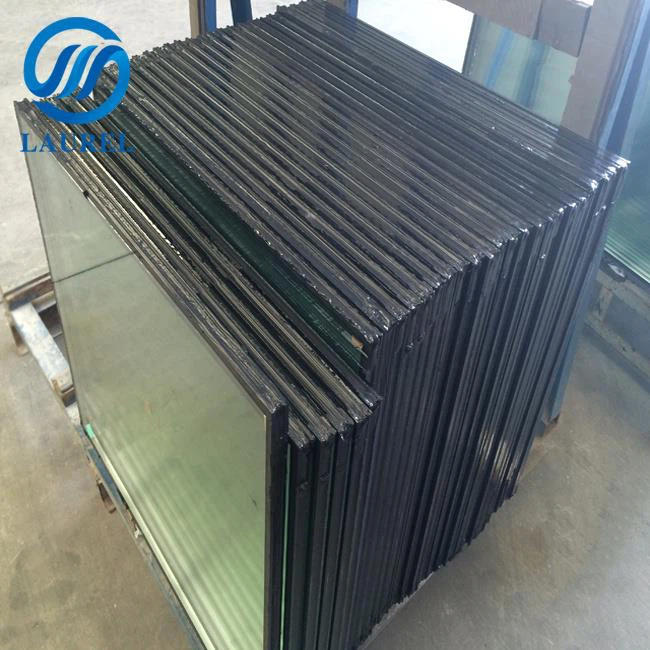

The long service life of vacuum glass also means less waste generation. Unlike some other building materials that need to be replaced frequently, vacuum glass can last for many years, reducing the demand for raw materials and the amount of waste sent to landfills.
As a supplier of vacuum glass, we are committed to providing high - quality products that offer these amazing advantages. If you are interested in incorporating vacuum glass into your construction project, whether it's a small residential renovation or a large - scale commercial development, we would be delighted to engage in procurement discussions with you. Feel free to reach out and start the conversation about how vacuum glass can meet your specific needs and requirements.
References
- Glass and Glazing Technology Handbook: Covers various aspects of glass technology, including insulation properties and manufacturing processes.
- Building Energy Efficiency Guidelines: Provide information on the role of advanced glazing systems in reducing energy consumption in buildings.
- Architectural Journal Articles: Offer insights into the aesthetic and practical applications of vacuum glass in modern architecture.