Can decorative glass be used in art galleries? That's a question I've been asked a lot lately, and as a decorative glass supplier, I'm more than happy to share my thoughts.
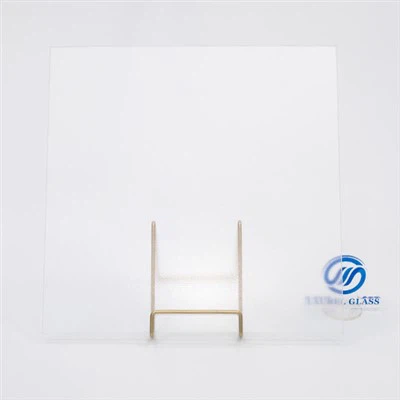
First off, let's talk about what decorative glass is. It's not just your regular, run - of - the - mill glass. Decorative glass comes in all shapes, sizes, and styles. There's acid - etched glass, which gives a frosted, soft look. For instance, our High Quality Deep Acid Etched Frosted Glass is a real show - stopper. It has a deep, consistent frost that can add a touch of elegance to any space. Then there's tempered glass, like our 10mm Tempered Glass Used For Frameless Shower Screen. It's strong and safe, and can be used in various applications where durability is key. And of course, we have Tempered Safety Glass, which is great for areas where safety is a concern.
Now, back to the question: Can it be used in art galleries? The answer is a resounding yes!
Aesthetic Appeal
One of the main reasons decorative glass is a great fit for art galleries is its aesthetic appeal. Art galleries are all about creating a visually stunning environment to showcase art. Decorative glass can enhance this experience in many ways.
Acid - etched glass can be used to create partitions or dividers within the gallery. Instead of using plain walls, a frosted glass partition can add a sense of mystery and intrigue. It allows light to filter through, creating a soft, diffused glow that can make the art pieces stand out even more. The pattern on the etched glass can also complement the theme of the art on display. For example, if the gallery is showing modern abstract art, a geometric etched pattern on the glass can tie in nicely with the overall aesthetic.
Stained glass is another form of decorative glass that can bring a touch of old - world charm to an art gallery. A stained - glass window or panel can serve as a focal point in the gallery. The vibrant colors and intricate designs can create a beautiful backdrop for the art, adding depth and character to the space.
Functionality
Beyond aesthetics, decorative glass also offers practical benefits in an art gallery setting.
Light control is a crucial aspect in an art gallery. Too much direct sunlight can fade the art over time, while too little light can make the pieces difficult to view. Decorative glass can help with this. Frosted glass, for example, can diffuse sunlight, reducing glare and protecting the art from harmful UV rays. It allows for a more even distribution of light throughout the gallery, ensuring that every piece of art is well - lit.
Safety is also a top priority in art galleries, especially when there are valuable art pieces on display. Tempered safety glass is a great option. It's much stronger than regular glass and is designed to shatter into small, dull pieces rather than sharp shards if broken. This reduces the risk of injury to visitors and also protects the art from being damaged by broken glass.
Versatility
Decorative glass is incredibly versatile. It can be used in different parts of the art gallery.
In the entrance area, a large, decorative glass door or window can make a grand first impression. It can set the tone for what visitors can expect inside the gallery. For example, a sleek, modern glass door with a unique etched design can give the gallery a contemporary feel.
Inside the gallery, glass display cases can be used to showcase smaller, more delicate art pieces. The clear or frosted glass allows the art to be seen clearly while protecting it from dust and damage. These display cases can be customized in terms of size, shape, and the type of glass used, depending on the specific needs of the art.
Cost - effectiveness
When it comes to the budget, decorative glass can be a cost - effective solution for art galleries.
Compared to some other building materials, such as marble or high - end wood, glass can be more affordable, especially when considering the long - term benefits. It's also relatively easy to install and maintain. Glass can be cleaned easily, and if there is any damage, it can often be replaced without too much hassle.
Challenges
Of course, using decorative glass in art galleries isn't without its challenges.
Installation can be tricky, especially for large or complex glass pieces. It's important to hire experienced professionals who know how to handle and install decorative glass properly. Otherwise, there could be issues with alignment, sealing, and overall stability.
Another challenge is choosing the right type of glass for the specific needs of the art gallery. With so many options available, it can be overwhelming to decide which one is the best fit. Factors such as the style of the art, the layout of the gallery, and the budget all need to be taken into account.
Conclusion
In conclusion, decorative glass has a lot to offer art galleries. Its aesthetic appeal, functionality, versatility, and cost - effectiveness make it a great choice for enhancing the overall experience of the gallery. Whether it's for creating a beautiful backdrop, controlling light, or providing safety, there's a type of decorative glass that can meet the needs of any art gallery.
If you're an art gallery owner or manager looking to incorporate decorative glass into your space, I'd love to talk to you. We can discuss your specific requirements and find the perfect decorative glass solutions for your gallery. Let's work together to create a stunning and functional art gallery space.
References
- Glass Association of North America. (2023). Guide to Decorative Glass Applications.
- Museum and Gallery Management Journal. (2022). Best Practices for Lighting and Display in Art Galleries.