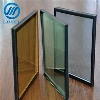

Low iron glass, also known as ultra-clear glass or high-transparency glass, is a premium type of float glass manufactured with significantly reduced iron content. By minimizing the iron oxide impurities typically found in standard float glass, low iron glass achieves exceptional clarity, superior light transmission, and a refined crystal-like appearance. With visible light transmittance exceeding 91.5%, this glass is widely used in high-end architectural projects, display applications, and decorative installations where color neutrality and transparency are essential.
What Is Low Iron Glass?
Low iron glass is produced using carefully selected raw materials and highly controlled manufacturing processes to reduce the iron content to approximately one-tenth that of conventional glass. This reduction minimizes the green tint commonly seen in standard clear glass, allowing the material to deliver true color representation and outstanding visual clarity.
Like other high-quality float glass products, low iron glass offers excellent processability. It can be tempered, laminated, insulated, coated, or fabricated into custom shapes while maintaining superior physical, optical, and mechanical performance.


Key Advantages of Low Iron Glass
1. Lower Risk of Spontaneous Breakage
The raw materials used in low iron glass contain fewer impurities, such as nickel sulfide (NiS). Combined with precise melting and manufacturing control, this results in a more uniform internal structure, significantly reducing the risk of spontaneous breakage after tempering.
2. Excellent Color Consistency
Because the iron content is extremely low, low iron glass absorbs far less light in the green spectrum compared with conventional glass. This ensures consistent color performance across panels and provides a more neutral, true-to-life appearance, which is especially important for curtain walls, display cases, and decorative applications.
3. High Visible Light Transmission
Low iron glass offers outstanding transparency, with visible light transmittance exceeding 91% for 6 mm thickness. Its crystal-clear appearance enhances product displays, museum showcases, retail storefronts, and architectural glazing by presenting objects in their natural colors without distortion. In addition, low iron glass generally allows higher UV transmission than standard glass, making it suitable for specialized technical applications where UV performance is required.
4. Premium Quality and High Added Value
The production of low iron glass involves advanced technology, strict process control, and high manufacturing precision. Although the production cost is only moderately higher than standard glass, the technical barriers are significant, resulting in higher product value and strong market demand. Due to its premium performance and elegant appearance, low iron glass is often considered a symbol of quality and prestige in modern architectural design.
Applications of Low Iron Glass
Thanks to its exceptional optical clarity and processing flexibility, low iron glass is widely used in:
- Architectural curtain walls and facades
- High-end windows, doors, and skylights
- Glass railings and structural glazing
- Solar panels and photovoltaic modules
- Retail display cases and museum showcases
- Interior decorative glass applications


Growing Market Potential
Only a limited number of manufacturers worldwide possess the advanced technology required to produce high-quality low iron glass, making it a high-value material in the global glass industry. As architectural design increasingly emphasizes transparency, aesthetics, and energy efficiency, the demand for ultra-clear glass continues to expand, offering strong market prospects for both suppliers and project developers.
Laurel Glass offers high-quality, low iron glass solutions tailored to project requirements, featuring various thicknesses, processing options, and finishing treatments to meet the demands of modern architectural and industrial applications.