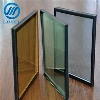

In modern architectural design, energy efficiency and indoor comfort have become essential considerations. As a result, both Low-E glass and insulated glass have gained popularity in residential, commercial, and industrial building applications. While the two materials are often mentioned together, they serve different functions and are not the same. This article explains what Low-E glass and insulated glass are-and how they differ.
What Is Low-E Glass?
Low-E (Low-Emissivity) glass refers to glass that has been coated with a very thin, transparent metallic layer. This coating reflects infrared energy (heat) while allowing visible light to pass through.
Key Features of Low-E Glass:
- Improved energy efficiency: Reduces heat transfer, helping maintain indoor temperature.
- UV protection: Blocks a significant portion of ultraviolet rays that can damage furniture and flooring.
- Enhanced comfort: Helps keep interiors cooler in summer and warmer in winter.
- High transparency: Offers insulation benefits without compromising natural light.
The Low-E coating minimizes the amount of infrared and ultraviolet light that enters or escapes through the glass, effectively reducing solar heat gain and improving thermal performance.
What Is Insulated Glass?
Insulated glass (IGU), also called insulated glazing or double glazing, consists of two or more glass panes separated by a spacer and sealed together to create an air or gas-filled cavity.
Key Features of Insulated Glass
- Superior thermal insulation: The air or gas layer acts as a barrier, reducing heat transmission.
- Sound reduction: Multiple layers help block external noise.
- Condensation resistance: The sealed cavity helps stabilise interior glass temperature.
- Versatility: Can use clear glass, tinted glass, tempered glass, laminated glass, and even Low-E glass.
The insulating space between the glass panes-filled with air, argon, or krypton-reduces heat transfer by convection and conduction, improving indoor comfort and reducing energy consumption.


The Key Differences of low-e glass and insulated glass
Although both enhance energy efficiency, they are not interchangeable. Here's how they differ:
| Feature | Low-E Glass | Insulated Glass (IGU) |
| Definition | Single pane with Low-E coating | Two or more panes sealed together |
| Primary Function | Reduce radiant heat transfer | Provide insulation and reduce heat conduction |
| Structure | One pane (can also be used in IGU) | Two or more panes with air /gas cavity |
| Energy Efficiency | Good | Excellent, especially when combined with Low-E |
| Sound Insulation | Minimal | Strong noise reduction |
| UV Protection | High | Depends on the glass type used |
| Common Application | Windows, facades, curtain walls | Buildings requiring strong insulation and comfort |
Can Low-E Glass Be Insulated Glass?
Yes. In fact, the most energy-efficient glazing systems often combine Low-E glass inside an insulated glass unit. This pairing delivers the benefits of both technologies:
- Maximum thermal performance
- Reduced energy bills
- Enhanced comfort
- Excellent sound insulation
- Improved UV protection
Many high-performance windows today use Low-E insulated glass units (Low-E IGUs) for optimal results.


Both Low-E glass and insulated glass play important roles in modern energy-efficient building design. Low-E glass focuses on reducing radiant heat transfer, while insulated glass provides a structural solution to minimize heat conduction. Together, they create high-performance glazing systems that enhance comfort, reduce energy costs, and support sustainable architecture.
If you are looking for energy-efficient glazing solutions for commercial buildings, our Low-E insulated glass units provide excellent thermal insulation and solar control performance.