
LOW-E GLASS
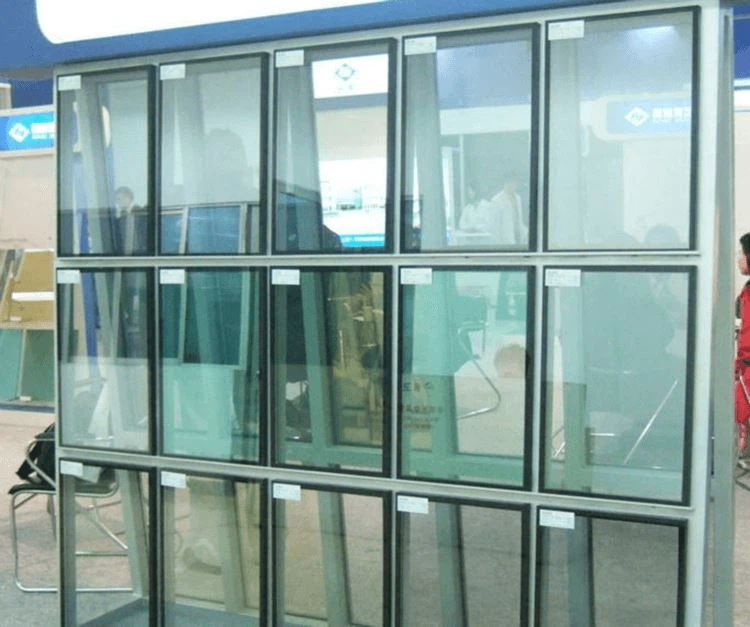
Low-E glass is standard clear glass which has a special coating on one surface of the glass. Low-e refers to low emissivity and this describes the capacity of a surface to radiate heat. Emissivity is measured across a scale from 0 to 1 with representing the highest emissivity. Low-e glass can reduce the amount of heat that is conducted through the glass by around 30% than ordinary glass and improve thermal efficiency by cutting glare and preventing damage interior furnishing caused by ultra-violet rays.
Low-E glass including hard-coating Low-E and soft-coating Low-e
Hard coat Low-E glass is made by coating the glass during production with a thin metallic oxide layer, effectively welding it to the glass surface. Soft coat low-e glass is made by sputtering coating onto the glass surface in vacuum chamber filled with an inert gas which is electrically charged and made molecules of metal to sputter onto the glass.
Hard coat low-e glass is durable and difficult to scratch, and can be used for single-glazed applications with higher U-values. Soft coat low-e glass has more visible light in with less visible haze with excellent U-values by single silver, double silver or triple silver. Soft coat low-e glass must be used in double glazing glass which can protect film from oxidizing.