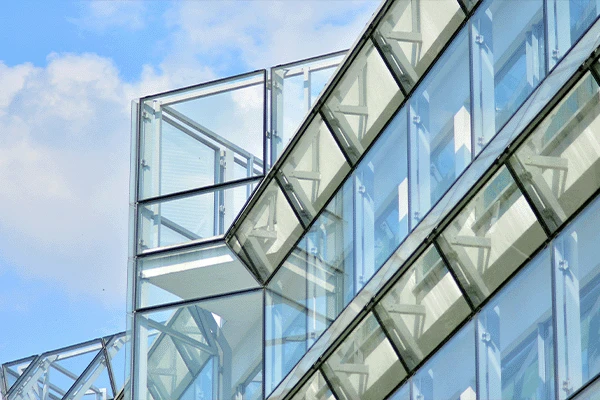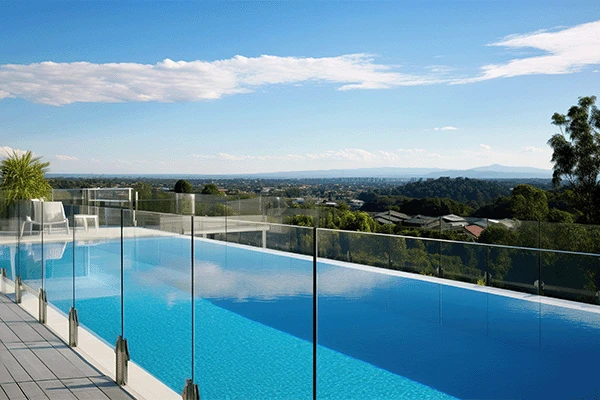

Safety glass can be defined as a type of glass that is manufactured through processes designed to make it less likely to break. When safety glass does break, it is designed to be less likely to cause harm to those who accidentally crash through it or have to clean up the mess.
Safety glass is essential for all kinds of projects from patio furniture and shower doors to business storefronts. There are two different break-resistant solutions: laminated glass and tempered glass. Both can be excellent options for home, business and auto owners looking to increase the safety and security of their glass – but it depends on the application.

What Is Laminated Glass
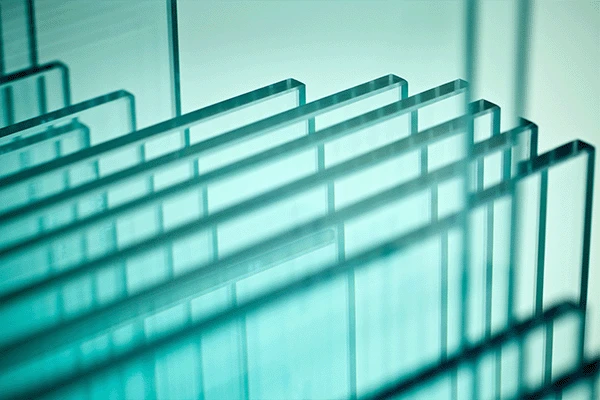
Laminated glass is a type of safety glass that comprises two or more layers of glass bonded with an interlayer and is engineered to offer superior safety and sound insulation, making it a preferred choice for applications where security and noise reduction are of paramount importance, such as windows and glass doors. Laurel Glass provides a diverse range of laminated glass options, including clear and tinted, which can be toughened and bent to meet specific project requirements.
Key Features:
- Safety: Glass is often laminated to protect people from glass breakage. Laminated safety glass can be used in many different ways to provide increased safety and security.
- Control of noise pollution: Acoustic insulating glass adds noise reduction to other benefits of laminated safety glass, helping to reduce noise levels so that people can be more comfortable in their living and work spaces.
- UV Protection: laminated glass can absorb up to 99% of the damaging UV rays which can be responsible for up to 50% of fading This protection means that interior surfaces and furniture are likely to last longer.
What Is Tempered Glass
Tempered glass is a type of safety glass produced through a heat treatment process that significantly enhances its strength and safety, is less prone to shattering upon impact, making it an ideal choice for high-traffic areas and applications where durability is crucial. Laurel Glass specializes in the production of high-quality tempered glass that adheres to safety regulations, offering a product suitable for a variety of uses including shower doors, facades, and glass railings, where it combines modern design with exceptional durability.
Key Features:
- Safer breakage: When it does break, it shatters into small, dull pieces, which greatly reduces the risk of serious injury from sharp edges.
- Increased impact resistance: Tempered glass is significantly stronger than ordinary glass, able to withstand blunt forces, wind pressure, and impacts from hail or falling objects.
- Durability: The tempering process makes the glass more durable overall, ensuring it can last longer in various conditions.
Laminated vs. Tempered Glass Uses
Laminated glass is commonly used in applications where safety, security, and sound insulation are paramount. These include car windshields, skylights, glass railings, and areas requiring high-impact resistance and noise reduction.
Tempered glass is favored for its strength and safety features in applications where it may come into frequent contact with people. It is widely used in shower doors, glass doors, windows, and commercial storefronts. Its resistance to thermal stress also makes it suitable for use in environments like kitchens and bathrooms.
Both laminated and tempered glass can be more expensive than standard glass due to their enhanced properties and manufacturing processes. Laminated glass typically has a higher initial cost due to its complex structure and production. However, its long-term benefits, such as enhanced safety, energy efficiency, and reduced need for replacement, can offset the initial investment.
Tempered glass, while generally less expensive than laminated glass, still offers excellent value for its strength and safety features. The choice between laminated and tempered glass ultimately depends on the specific requirements of the application and budget considerations.