Float glass is a type of flat glass that has revolutionized the glass industry since its invention in the 1950s. As a float glass supplier, I am excited to share with you the ins and outs of this remarkable material, including its manufacturing process, properties, applications, and the different types we offer.


Manufacturing Process
The float glass manufacturing process is a fascinating feat of engineering. It was developed by Sir Alastair Pilkington in the 1950s as a way to produce large, flat sheets of glass with a uniform thickness and a smooth surface. The process involves floating molten glass on a bed of molten tin, which allows the glass to spread out evenly and form a perfectly flat surface.
Here's a step-by-step breakdown of the float glass manufacturing process:
- Batch Preparation: The raw materials for float glass, including silica sand, soda ash, limestone, and other additives, are carefully measured and mixed together in a batch. The batch is then fed into a furnace, where it is heated to a temperature of around 1500°C.
- Melting: The batch is melted in the furnace, where it becomes molten glass. The molten glass is then poured onto a bath of molten tin, which is contained in a large, shallow tank called a float bath.
- Floating: The molten glass floats on the surface of the molten tin, spreading out evenly and forming a flat, smooth surface. The glass is then cooled slowly as it moves along the float bath, which helps to prevent it from cracking or warping.
- Annealing: After the glass has cooled to a temperature of around 600°C, it is transferred to an annealing lehr, where it is heated and cooled slowly to relieve internal stresses. This process helps to make the glass stronger and more resistant to breakage.
- Cutting and Finishing: Once the glass has been annealed, it is cut into the desired size and shape using a diamond cutter. The edges of the glass are then polished to remove any rough edges or burrs.
Properties of Float Glass
Float glass has several properties that make it a popular choice for a wide range of applications. Here are some of the key properties of float glass:
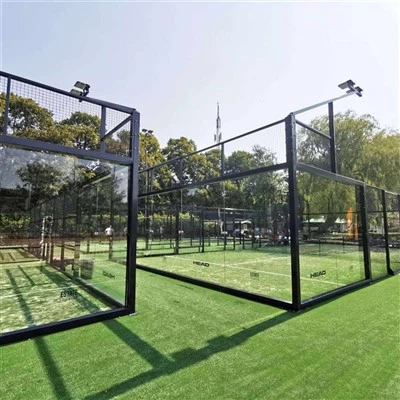
- Transparency: Float glass is highly transparent, which makes it ideal for applications where visibility is important, such as windows, doors, and display cases.
- Smooth Surface: The float glass manufacturing process produces a glass with a smooth, uniform surface, which makes it easy to clean and maintain.
- Strength: Float glass is relatively strong and can withstand a certain amount of pressure and impact. However, it is not as strong as tempered glass or laminated glass, which are designed to be more resistant to breakage.
- Thermal Insulation: Float glass has some thermal insulation properties, which can help to reduce energy costs by keeping heat inside a building in the winter and outside in the summer.
- Sound Insulation: Float glass can also provide some sound insulation, which can help to reduce noise levels inside a building.
Applications of Float Glass
Float glass is used in a wide range of applications, including:
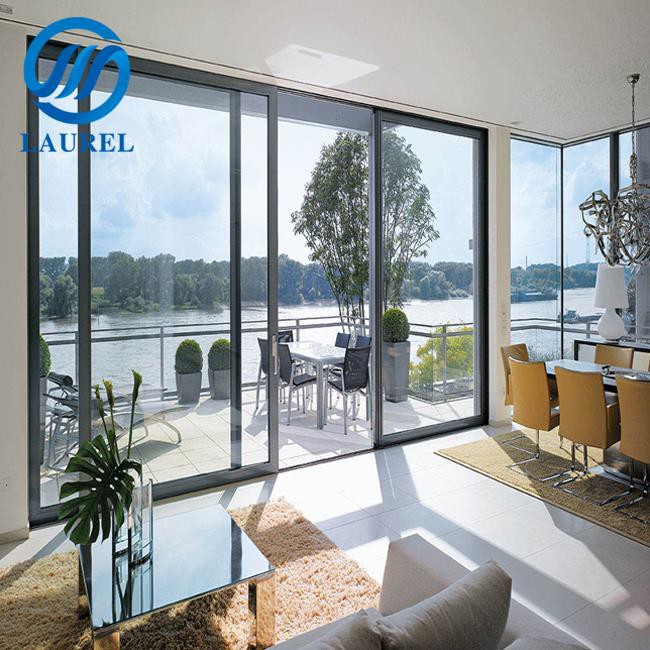
- Windows and Doors: Float glass is the most common type of glass used in windows and doors. It provides a clear view of the outside world and helps to keep the interior of a building warm and comfortable.
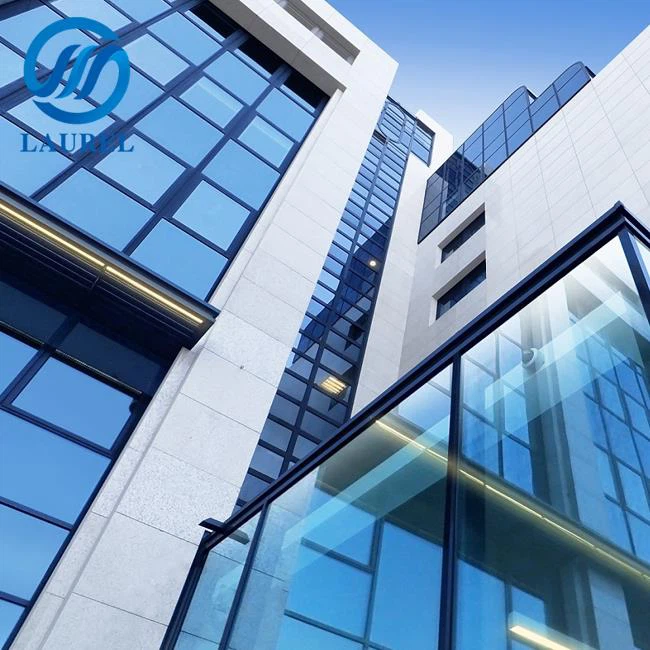
- Facades: Float glass is often used in the facades of commercial buildings to create a modern, sleek look. It can be tinted or coated to provide additional privacy, energy efficiency, or aesthetic appeal.
- Display Cases: Float glass is ideal for display cases because it provides a clear view of the items inside. It can be used in museums, retail stores, and other settings to showcase products or artifacts.
- Mirrors: Float glass is used to make mirrors because it has a smooth, reflective surface. Mirrors are used in a variety of applications, including bathrooms, dressing rooms, and optical stores.
- Tabletops: Float glass is sometimes used to make tabletops because it is strong, durable, and easy to clean. It can be used in homes, offices, and restaurants to create a modern, stylish look.

Types of Float Glass
As a float glass supplier, we offer several types of float glass to meet the needs of our customers. Here are some of the most common types of float glass:
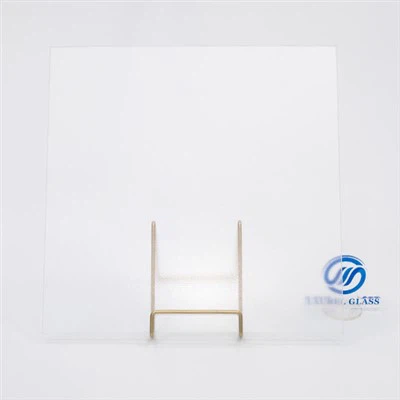
- Clear Float Glass: Clear float glass is the most basic type of float glass. It is highly transparent and has a neutral color, which makes it ideal for applications where visibility is important.
- Tinted Float Glass: Tinted float glass is available in a variety of colors, including green, bronze, and gray. Tinted glass can help to reduce glare and heat transfer, which can improve energy efficiency and comfort. You can find our Green Float Glass and Bronze Float Glass on our website.
- Low-Iron Float Glass: Low-iron float glass, also known as ultra-clear glass, has a lower iron content than regular float glass. This gives it a clearer, more transparent appearance, which makes it ideal for applications where a high level of clarity is required. Our Starphire Ultra Clear Glass Low Iron Glass is a popular choice for architectural and decorative applications.
- Coated Float Glass: Coated float glass has a thin layer of metal or metal oxide applied to its surface. This can provide additional properties, such as increased energy efficiency, improved solar control, or enhanced privacy.
Why Choose Our Float Glass?
As a float glass supplier, we are committed to providing our customers with high-quality products and excellent customer service. Here are some of the reasons why you should choose our float glass:
- Quality: We use only the highest quality raw materials and state-of-the-art manufacturing processes to produce our float glass. This ensures that our products are strong, durable, and of the highest quality.
- Variety: We offer a wide range of float glass products to meet the needs of our customers. Whether you need clear float glass, tinted float glass, low-iron float glass, or coated float glass, we have the right product for you.
- Customization: We can customize our float glass products to meet your specific requirements. Whether you need a specific size, shape, or color, we can work with you to create a product that meets your needs.
- Customer Service: We are dedicated to providing our customers with excellent customer service. Our team of experts is available to answer your questions, provide technical support, and help you choose the right product for your application.
Contact Us for Procurement
If you are interested in purchasing float glass for your project, we would be happy to hear from you. Our team of experts can help you choose the right product for your needs and provide you with a competitive quote. Please feel free to contact us to discuss your requirements and start the procurement process.