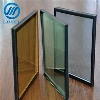

Understanding Solar Glass
Solar glass, also known as photovoltaic glass or solar photovoltaic glass (PV glass), is engineered to capture sunlight and convert it into electricity. It resembles traditional glass but is embedded with photovoltaic cells, allowing it to harness solar energy efficiently. These cells are typically made from silicon, a semiconductor material known for its ability to convert sunlight into electricity.

Solar Panel

Solar Window

Solar Green House
Key Features and Benefits
Energy Generation:
One of the primary benefits of solar glass is its ability to generate clean, renewable energy.
By harnessing the power of sunlight, solar glass panels can produce electricity for various applications, including powering buildings, lighting systems, and electronic devices.

Durability and Efficiency:
Solar glass is designed to withstand harsh environmental conditions, ensuring long-term durability and reliability.
Additionally, advancements in technology have improved the efficiency of solar glass panels, allowing them to capture more sunlight and generate higher electricity.

What Issues Should We Pay Attention To When Purchasing Solar Glass?
1. Differences In Processing Technology
Listed below are some of the current mainstream and advanced solar glass processing technologies.
Tempering
The tempering treatment is to increase the strength of the glass and resist the impact of wind, sand, and hail, thus playing a long-term role in protecting solar cells.
AR (Anti-reflection) Coating
AR (Anti-reflection) coatings are applied 1 side or 2 sides to the glass to reduce the reflection of sunlight and increase light transmission. This increases the effectiveness of solar energy systems.
Low Iron
This low iron content minimizes color distortion and ensures that more of the incoming sunlight passes through, rather than being absorbed or reflected, increasing light transmission.
Pattern
Glass with textured surface i.e. diffuse glass or pattern glass like Mistlite/Prismatic; Nashiji; Solarifier/Matt-matt are ideal materials for making solar glass. In particular, it is cheaper than ordinary float glass.
The above are all advanced processes that increase the light transmittance and safety of glass.


2. The Difference In Light Transmittance of Glass
Different glass transmittances will affect the efficiency of collecting solar energy. The higher the transmittance, the higher the efficiency.
The following is a list of light transmittance specifications using our company's solar glass products as examples.
| Solar Glass Light Transmission Parameter | ||||||
| Thickness |
Low Iron Float Glass |
Low Iron Float Glass with 1 Side AR |
Low Iron Float Glass with 2 Side AR |
Low Iron Diffuse (Pattern/ Texture) Glass |
||
| Without AR | 1 Side AR | 2 Sides AR | ||||
| 2mm | 91.5% | 94%±0.5% | 95.5%±0.5% | - | - | - |
| 3.2mm | 91.4% | 93.5%±0.5% | 95.3%±0.5% | 91.5%±0.5% | 93.9%±0.5% | 96.5%±0.5% |
| 4mm | 91.3% | 93.3%±0.5% | 95.2%±0.5% | 91.3%±0.5% | 93.6%±0.5% | 96.3%±0.5% |
| * Comparison of Light Transmission Parameters of Pattern Glass Mistlite (Prismatic)/ Nashiji/ Solarifier (Matt/matt), Low Iron Float Glass, and AR Coating (1 Side/ 2 Sides). | ||||||
Conclusion
Solar glass represents a significant advancement in renewable energy technology, offering both environmental benefits and practical solutions for energy generation. Solar glass is poised to revolutionize the way we harness solar power and pave the way towards a more sustainable future.
Laurel Glass features advanced processing technologies to improve light transmittance, and the world's top tempering furnace ensures the safety of glass use, which can be freely combined according to your budget and energy efficiency needs. It is your first choice for purchasing solar glass.
Author: Esben Zheng (Solar Glass Expert)