Hey there! As a supplier of heat-soaked glass, I often get asked about the difference between heat-soaked glass and tempered glass. So, I thought I'd take a few minutes to break it down for you.
Let's start with tempered glass. Tempered glass is made by heating regular glass to a high temperature and then rapidly cooling it. This process makes the glass much stronger and more resistant to breakage than regular glass. When tempered glass does break, it shatters into small, blunt pieces instead of large, sharp shards, which makes it a lot safer. That's why it's commonly used in things like shower doors, car windows, and balcony railings.
Now, heat-soaked glass is a type of tempered glass, but it goes through an extra step. After the tempering process, the glass is put into a special oven and heated to a specific temperature for a set period of time. This extra heat treatment helps to identify and eliminate any potential nickel sulfide (NiS) inclusions in the glass. NiS inclusions are tiny particles that can cause tempered glass to break spontaneously, even months or years after installation. By heat soaking the glass, we can make it even more reliable and reduce the risk of unexpected breakage.
One of the main differences between heat-soaked glass and tempered glass is the level of safety. While tempered glass is already pretty safe, heat-soaked glass takes it a step further. Because it's been treated to remove NiS inclusions, the chances of it breaking unexpectedly are much lower. This makes it a great choice for applications where safety is a top priority, like in high-rise buildings or public spaces.
Another difference is the cost. Heat-soaked glass is generally more expensive than tempered glass because of the extra processing step. But when you consider the added safety and peace of mind it provides, many people think it's worth the investment.
In terms of appearance, there's not much difference between heat-soaked glass and tempered glass. They both look the same and can be used in a variety of applications. Whether you're looking for a clear, transparent look or a more decorative option, both types of glass can be customized to meet your needs.
Let's talk about some of the applications where heat-soaked glass really shines. In high-rise buildings, for example, heat-soaked glass is often used for curtain walls and windows. The extra safety factor is crucial in these situations, as a broken window could pose a serious risk to people below. In public spaces like shopping malls and airports, heat-soaked glass is also a popular choice for display cases and partitions. It provides a high level of security and durability, while still allowing for a clear view.
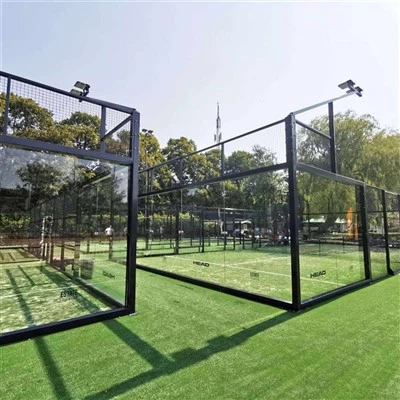
If you're in the market for glass for a padel court, you might be interested in our Padel Courts Glass. Padel is a fast-growing sport, and having the right glass is essential for a great playing experience. Our heat-soaked glass is strong, safe, and provides excellent visibility, making it a perfect choice for padel courts.
For those looking for energy-efficient options, our Double Pane Insulated Low E Glass is a great choice. This type of glass helps to reduce heat transfer, which can save you money on your energy bills. And because it can be made with heat-soaked glass, you get the added benefit of increased safety.
If you're into decorative glass, we also offer Colored Pattern Glass. This glass adds a unique and stylish touch to any space, whether it's a residential or commercial building. And just like our other glass products, it can be made with heat-soaked glass for added peace of mind.
So, there you have it! The main differences between heat-soaked glass and tempered glass. If you're still not sure which type of glass is right for your project, don't hesitate to reach out. We're here to help you make the best decision for your needs. Whether you're a contractor, architect, or homeowner, we can provide you with the information and products you need to get the job done right.
If you're interested in learning more about our heat-soaked glass products or would like to discuss a potential project, please feel free to contact us. We'd love to have a chat with you and see how we can help you with your glass needs.
References
- Glass Association of North America. (n.d.). Tempered Glass. Retrieved from various industry resources.
- International Organization for Standardization. (n.d.). Standards related to glass safety and quality.