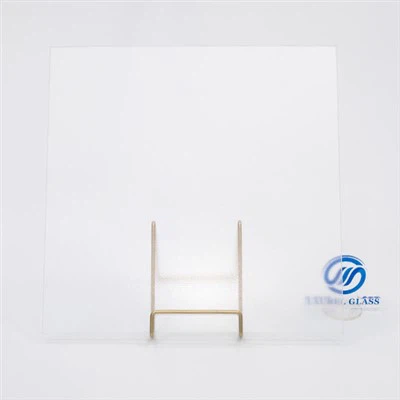
Hey there! If you're working on a project that requires tempered glass, you're in the right place. I'm a supplier of tempered glass, and I've seen firsthand how crucial it is to choose the right type for your specific needs. In this blog post, I'll share some tips and considerations to help you make an informed decision.
Understanding Tempered Glass
First things first, let's talk about what tempered glass is. Tempered glass is a type of safety glass that's been treated with heat or chemicals to increase its strength and durability. It's four to five times stronger than regular glass and shatters into small, rounded pieces when broken, reducing the risk of injury.
Tempered glass is commonly used in a variety of applications, including windows, doors, shower enclosures, and furniture. It's also a popular choice for commercial and industrial projects, such as storefronts, display cases, and partitions.
Factors to Consider When Choosing Tempered Glass
Now that you have a basic understanding of tempered glass, let's dive into the factors you should consider when choosing the right type for your project.
1. Thickness
The thickness of the tempered glass you choose will depend on several factors, including the size of the glass, the application, and the amount of stress it will be subjected to. Generally, thicker glass is stronger and more durable, but it's also heavier and more expensive.
For small applications, such as tabletops or picture frames, 3mm or 4mm tempered glass may be sufficient. For larger applications, such as windows or doors, 6mm or 8mm tempered glass is recommended. If you're using tempered glass in a high-stress application, such as a commercial storefront or a sports arena, you may need to use even thicker glass, such as 10mm or 12mm.
2. Transparency
The transparency of the tempered glass you choose will depend on the application and your personal preferences. Clear tempered glass is the most common type and offers maximum transparency, making it ideal for applications where visibility is important, such as windows and doors.
However, if you're looking for a more decorative or privacy option, you may want to consider tinted or frosted tempered glass. Tinted tempered glass comes in a variety of colors and shades, which can help reduce glare and heat transfer. Frosted tempered glass, on the other hand, offers privacy while still allowing light to pass through, making it a popular choice for shower enclosures and bathroom windows.
3. Strength and Durability
As mentioned earlier, tempered glass is stronger and more durable than regular glass. However, not all tempered glass is created equal. The strength and durability of the tempered glass you choose will depend on several factors, including the manufacturing process, the quality of the raw materials, and the thickness of the glass.
When choosing tempered glass, look for a supplier that uses high-quality raw materials and follows strict manufacturing standards. You should also consider the warranty offered by the supplier, as this can give you an idea of the quality and durability of the glass.
4. Safety
Safety is always a top priority when it comes to choosing tempered glass. As mentioned earlier, tempered glass shatters into small, rounded pieces when broken, reducing the risk of injury. However, there are still some safety considerations you should keep in mind.
For example, if you're using tempered glass in a high-traffic area or an area where there's a risk of impact, you may want to consider using laminated tempered glass. Laminated tempered glass consists of two or more layers of tempered glass bonded together with a layer of polyvinyl butyral (PVB) or ethylene-vinyl acetate (EVA) interlayer. This interlayer helps hold the glass together when it breaks, reducing the risk of injury from flying glass shards.
5. Cost
The cost of the tempered glass you choose will depend on several factors, including the thickness, transparency, strength, and durability of the glass, as well as the size and complexity of the project. Generally, thicker, stronger, and more decorative tempered glass will be more expensive than thinner, clear tempered glass.
When choosing tempered glass, it's important to balance your budget with the quality and performance of the glass. While it may be tempting to choose the cheapest option, keep in mind that investing in high-quality tempered glass can save you money in the long run by reducing the need for repairs and replacements.
Types of Tempered Glass
In addition to the factors mentioned above, you should also consider the type of tempered glass you choose. Here are some of the most common types of tempered glass:
1. Padel Courts Glass
Padel Courts Glass is a type of tempered glass that's specifically designed for use in padel courts. Padel is a popular racquet sport that's similar to tennis, but it's played on a smaller court with walls made of glass.
Padel courts glass is typically made of high-strength tempered glass that's designed to withstand the impact of the ball and the players. It's also treated with a special coating to reduce glare and improve visibility, making it easier for players to see the ball.
2. Float Laminated Glass
Float Laminated Glass is a type of tempered glass that consists of two or more layers of float glass bonded together with a layer of PVB or EVA interlayer. Float glass is a type of glass that's made by floating molten glass on a bed of molten tin, which gives it a smooth, flat surface.
Float laminated glass is commonly used in applications where safety and security are a top priority, such as windows, doors, and skylights. It's also used in applications where noise reduction and energy efficiency are important, such as in commercial buildings and residential homes.
3. Smart Switchable Glass
Smart Switchable Glass is a type of tempered glass that can change its transparency or opacity at the touch of a button. It's also known as electrochromic glass, liquid crystal glass, or polymer dispersed liquid crystal (PDLC) glass.
Smart switchable glass is commonly used in applications where privacy and control are important, such as in conference rooms, hospitals, and hotels. It's also used in applications where energy efficiency and daylighting are important, such as in commercial buildings and residential homes.
Conclusion
Choosing the right tempered glass for your project can be a challenging task, but it doesn't have to be. By considering the factors mentioned above and choosing a high-quality supplier, you can ensure that you get the right type of tempered glass for your specific needs.
If you have any questions or need help choosing the right tempered glass for your project, please don't hesitate to contact us. We're a leading supplier of tempered glass, and we have the expertise and experience to help you find the perfect solution for your project. Let's start a conversation and get your project on the right track!
References
- Glass Association of North America. (n.d.). Tempered Glass. Retrieved from [Website URL]
- International Window Film Association. (n.d.). Understanding Window Films. Retrieved from [Website URL]
- National Glass Association. (n.d.). Safety and Security Glass. Retrieved from [Website URL]