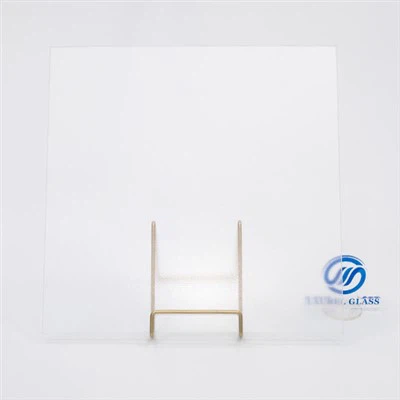
Does Tempered Glass Scratch Easily?
As a seasoned supplier of tempered glass, I often encounter inquiries from clients regarding the scratch - resistance of tempered glass. It's a valid concern, as scratches can not only mar the appearance of the glass but also potentially compromise its integrity over time. In this blog post, I'll delve into the factors that influence the scratch - ability of tempered glass and provide a clear answer to the question: Does tempered glass scratch easily?
Understanding Tempered Glass
Before we discuss scratch resistance, it's crucial to understand what tempered glass is. Tempered glass is a type of safety glass that is processed by controlled thermal or chemical treatments to increase its strength compared to normal glass. The tempering process involves heating the glass to a high temperature and then rapidly cooling it. This creates a state of compression on the surface of the glass and tension in the interior. When broken, tempered glass shatters into small, relatively harmless pieces instead of sharp, jagged shards, which is why it is widely used in applications where safety is a concern, such as shower doors, car windows, and building facades.
Factors Affecting Scratch Resistance
- Hardness of the Glass
The hardness of a material is a key determinant of its scratch resistance. Tempered glass has a Mohs hardness of around 5.5 to 7. The Mohs scale is a qualitative ordinal scale that characterizes the scratch resistance of various minerals. For comparison, diamond, the hardest known natural material, has a Mohs hardness of 10, while talc has a hardness of 1. Materials with a higher Mohs hardness can scratch those with a lower hardness. So, tempered glass is relatively hard and can resist scratches from many common materials. However, substances with a hardness greater than that of tempered glass, such as diamonds or certain types of quartz, can easily scratch it. - Surface Finish
The surface finish of tempered glass also plays a significant role in its scratch resistance. A smooth, polished surface is less likely to scratch than a rough or textured one. During the manufacturing process, any imperfections or roughness on the glass surface can act as starting points for scratches. High - quality tempered glass undergoes a precise finishing process to ensure a smooth surface, which enhances its scratch - resistant properties. - Contact Pressure and Abrasive Particles
Even though tempered glass is relatively hard, it can still be scratched if sufficient pressure is applied by an abrasive material. For example, if you rub sandpaper against tempered glass with force, it will scratch the surface. Similarly, if there are abrasive particles like sand or dirt on the glass and you wipe it with a cloth, these particles can act like tiny cutting tools and cause scratches.
Real - World Scratch Resistance
In most everyday situations, tempered glass does not scratch easily. For instance, in a household setting, normal cleaning with a soft cloth and a mild glass cleaner will not scratch the tempered glass of a shower door or a tabletop. However, in industrial or high - traffic environments, the risk of scratching increases. In a construction site, for example, where there is a lot of dust and debris, tempered glass windows may be more prone to scratches if not properly protected.
Our Product Offerings and Scratch Resistance
At our company, we take pride in offering high - quality tempered glass products that are designed to withstand scratches as much as possible. We use advanced manufacturing techniques to ensure a smooth and hard surface finish on all our tempered glass products.
- 6mm 8mm 10mm Patterned Glass Door Panels: These door panels are not only aesthetically pleasing but also highly scratch - resistant. The tempered glass used in these panels is carefully selected and processed to maintain its integrity and appearance even with regular use.
- Safety Mirror Glass: Our safety mirror glass is made from tempered glass, which means it is less likely to scratch compared to regular mirror glass. The mirror coating is also protected by the hard surface of the tempered glass, ensuring a long - lasting and clear reflection.
- Clear Glass for Building: Ideal for building facades and windows, our clear tempered glass offers excellent scratch resistance. It can withstand the elements and the wear and tear of daily use, maintaining its transparency and clarity over time.
Preventing Scratches on Tempered Glass
To keep your tempered glass products looking their best and free from scratches, here are some tips:
- Use Soft Cleaning Tools: When cleaning tempered glass, always use a soft, lint - free cloth. Avoid using abrasive sponges or brushes that could scratch the surface.
- Remove Abrasive Particles: Before cleaning, make sure to remove any dirt or debris from the glass surface. You can use a dry cloth to gently brush off the particles.
- Avoid Contact with Hard Objects: Do not place sharp or hard objects directly on tempered glass surfaces. If you need to place something on a tempered glass table, use a protective mat.
Conclusion
In conclusion, tempered glass does not scratch easily under normal circumstances. Its hardness and the manufacturing processes used to create it make it relatively resistant to scratches from common materials. However, it is not immune to scratching, especially when in contact with harder substances or when subjected to high - pressure abrasion.
If you are in the market for high - quality, scratch - resistant tempered glass products, we are here to help. Our range of tempered glass products, including 6mm 8mm 10mm Patterned Glass Door Panels, Safety Mirror Glass, and Clear Glass for Building, are designed to meet your needs and exceed your expectations. Contact us today to discuss your requirements and start a procurement negotiation.
References
- "Introduction to Glass Science and Technology" by D. R. Uhlmann and N. J. Kreidl
- "Handbook of Glass Properties" edited by I. D. Aggarwal and M. Tomozawa