In the ever - evolving landscape of glass technology, float glass stands as a cornerstone in numerous industries, from construction to automotive. As a float glass supplier, I've witnessed firsthand the remarkable journey of this technology and am excited to explore the future trends that are set to reshape the float glass market.
1. Enhanced Energy Efficiency
One of the most prominent future trends in float glass technology is the pursuit of greater energy efficiency. With the growing global emphasis on sustainability and energy conservation, the demand for energy - efficient glass has skyrocketed.
Low - emissivity (Low - E) coatings are at the forefront of this trend. These coatings are designed to reflect infrared light while allowing visible light to pass through. As a result, they can significantly reduce heat transfer, keeping buildings cooler in the summer and warmer in the winter. In the future, we can expect to see more advanced Low - E coatings that offer even better performance. For example, new materials and manufacturing processes may lead to coatings that are more durable, have a wider range of spectral control, and are more cost - effective.
Another aspect of energy efficiency is the development of smart glass. Smart glass can change its transparency in response to external stimuli such as light, heat, or an electrical current. This technology allows for dynamic control of the amount of light and heat entering a building, further reducing energy consumption. For instance, electrochromic glass can be adjusted to block sunlight on a hot day, reducing the need for air - conditioning. As the cost of smart glass technology continues to decrease, it is likely to become more widespread in both commercial and residential buildings.
2. Improved Strength and Safety
Safety is a top priority in the glass industry, and future trends in float glass technology will focus on enhancing the strength and safety of glass products.
Laminated glass is already a popular choice for safety applications, but advancements in this area are expected. New laminating materials and processes will make laminated glass even stronger and more resistant to impact. For example, the use of advanced polymers in the interlayer can improve the glass's ability to withstand high - energy impacts, such as those from earthquakes or severe weather.
Tempered glass is also likely to see improvements. Tempering is a process that strengthens glass by heating and then rapidly cooling it. Future tempering techniques may result in glass that is not only stronger but also more uniform in its strength distribution. This will reduce the risk of spontaneous breakage and make tempered glass even more reliable for use in high - stress applications, such as in skyscrapers or automotive windshields.


3. Advanced Tinting and Coloration
The demand for tinted and colored float glass is on the rise, and future trends will bring more options and better performance in this area.
Tinted float glass, such as Gray Float Glass and Green Float Glass, offers several benefits. It can reduce glare, block harmful UV rays, and enhance the aesthetic appeal of buildings. In the future, we can expect to see more sophisticated tinting technologies that allow for precise control of color and light transmission. For example, new tinting methods may enable glass to change color gradually based on the intensity of sunlight, providing optimal comfort and energy efficiency.
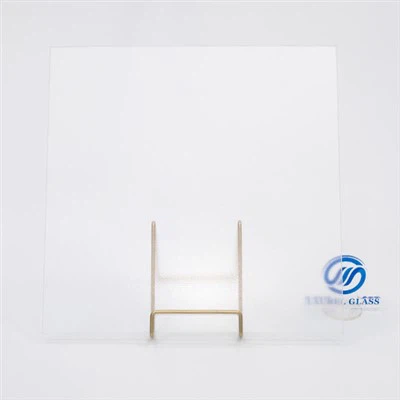
Low - iron float glass, like Low Iron Float Glass, is another area of development. Low - iron glass has a much lower iron content than traditional float glass, which gives it a clearer and more neutral appearance. As the demand for high - quality, clear glass increases in applications such as display cases and high - end architecture, the production of low - iron float glass is likely to become more efficient and cost - effective.
4. Integration with Digital Technologies
The future of float glass technology will also involve its integration with digital technologies. This includes the use of sensors and connectivity to create "smart" glass systems.
For example, glass can be equipped with sensors that monitor environmental conditions such as temperature, humidity, and air quality. This data can then be used to adjust the glass's properties, such as its transparency or heat - blocking ability, in real - time. Additionally, connected glass can be integrated with building management systems, allowing for centralized control and optimization of energy use.
In the automotive industry, glass can be integrated with heads - up display (HUD) technology. HUDs project important information, such as speed and navigation instructions, onto the windshield, improving driver safety and convenience. As technology advances, we can expect to see more advanced HUDs with higher resolution and more features integrated into automotive float glass.
5. Sustainability and Circular Economy
Sustainability is a driving force in the future of float glass technology. The glass industry is increasingly focused on reducing its environmental impact and promoting a circular economy.
One aspect of sustainability is the use of recycled glass in the manufacturing process. Recycling glass not only reduces the consumption of raw materials but also saves energy. In the future, we can expect to see more efficient recycling processes and a higher percentage of recycled glass in float glass production.
Another area of focus is the development of eco - friendly manufacturing processes. For example, new melting technologies that use less energy and produce fewer emissions are being explored. Additionally, the design of glass products will be more focused on end - of - life recyclability, ensuring that glass can be easily reused or recycled at the end of its useful life.
6. Customization and Design Flexibility
Consumers are increasingly demanding customized glass products that meet their specific needs and design preferences. In the future, float glass technology will offer more opportunities for customization.
Advances in manufacturing techniques, such as laser cutting and etching, will allow for more precise and complex designs on glass surfaces. This will enable architects and designers to create unique and eye - catching glass installations. For example, glass can be etched with patterns, logos, or even images, adding a personalized touch to buildings and interior spaces.
In addition to surface customization, the ability to control the physical properties of glass, such as its strength, transparency, and color, will also provide more design flexibility. This will allow for the creation of glass products that are tailored to specific applications and environments.
Connect with Us for Your Float Glass Needs
As a float glass supplier, we are at the forefront of these exciting future trends. We are committed to providing our customers with the highest quality float glass products that incorporate the latest technological advancements. Whether you are an architect, builder, or automotive manufacturer, we have the expertise and resources to meet your float glass requirements.
If you are interested in learning more about our float glass products or would like to discuss a potential project, please feel free to reach out to us. We look forward to working with you to bring your vision to life.
References
- "Glass Technology Handbook", by P. W. McMillan
- "The Future of Building Envelopes: Trends in Glass Technology", Journal of Sustainable Architecture, Vol. 15, Issue 2
- "Advances in Float Glass Manufacturing", Proceedings of the International Glass Conference, 2022