As a supplier of float glass, I often receive inquiries about the suitability of float glass for various applications, including display cases. Float glass is a versatile and widely used material in the glass industry, known for its smooth surface, high clarity, and excellent optical properties. In this blog post, I will explore whether float glass can be used for display cases and discuss its advantages and considerations.
Advantages of Using Float Glass for Display Cases
-
Clarity and Transparency
Float glass is renowned for its high clarity and transparency, making it an ideal choice for display cases. It allows for clear and unobstructed views of the displayed items, enhancing their visual appeal. Whether it's a museum exhibit, a retail showcase, or a jewelry display, the transparency of float glass ensures that the contents are presented in the best possible light. -
Smooth Surface
The manufacturing process of float glass results in a smooth and uniform surface. This smoothness not only gives the display case a professional and polished look but also makes it easier to clean and maintain. Dust and fingerprints can be easily wiped off, keeping the display case looking pristine. -
Strength and Durability
Float glass is relatively strong and can withstand normal handling and environmental conditions. It provides a reliable protective barrier for the displayed items, safeguarding them from dust, moisture, and physical damage. However, it's important to note that float glass may not be as impact - resistant as some specialized glass types, such as tempered glass. -
Customization Options
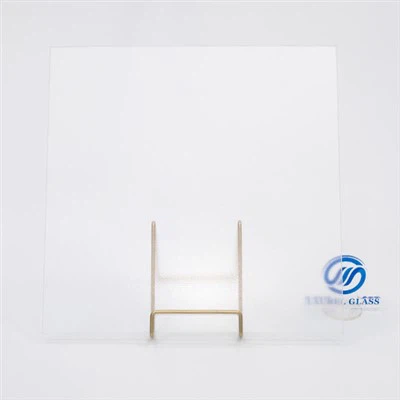
Float glass can be easily cut, shaped, and fabricated to meet the specific requirements of display cases. It can be made into various sizes and shapes, including curved or angled designs. Additionally, there are different types of float glass available, such as 5mm 6mm clear float glass, Low Iron Float Glass, and Tinted Float Glass, which offer different levels of clarity, color, and UV protection.
Considerations When Using Float Glass for Display Cases
-
Impact Resistance
As mentioned earlier, float glass is not as impact - resistant as tempered glass. In high - traffic areas or where there is a risk of accidental impact, tempered glass may be a better choice. However, for most standard display cases in low - risk environments, float glass can provide adequate protection. -
UV Protection
Depending on the nature of the displayed items, UV protection may be a concern. Some float glass can be treated or coated to block UV rays, which can cause fading and damage to sensitive materials such as textiles, paintings, and photographs. If UV protection is required, it's important to choose a float glass with appropriate UV - blocking properties. -
Cost
Float glass is generally more affordable than some other types of glass, such as tempered or laminated glass. This makes it a cost - effective option for display cases, especially for large - scale projects or when budget is a constraint. However, it's important to balance cost with the specific requirements of the display case, such as impact resistance and UV protection.
Applications of Float Glass in Display Cases
-
Retail Displays
In the retail industry, float glass is commonly used for display cases to showcase products. It allows customers to view the merchandise clearly, enhancing the shopping experience. Retailers can choose from different types of float glass, such as clear or tinted, to create the desired aesthetic and functionality. -
Museum Exhibits
Museums often use float glass for display cases to protect valuable artifacts and artworks. The high clarity of float glass ensures that visitors can appreciate the details of the exhibits without any visual distortion. Additionally, float glass can be customized to meet the specific requirements of museum displays, such as size, shape, and UV protection.
-
Jewelry Displays
Float glass is a popular choice for jewelry displays due to its transparency and ability to showcase the beauty of the jewelry. It provides a clear view of the gems and metals, making the pieces more appealing to customers. Jewelry stores can use float glass to create elegant and modern display cases.
Conclusion
In conclusion, float glass can be an excellent choice for display cases due to its clarity, smooth surface, strength, and customization options. While it may have some limitations in terms of impact resistance and UV protection, these can be addressed through proper selection and treatment. Whether you are a retailer, a museum curator, or a jewelry store owner, float glass can help you create attractive and functional display cases.
If you are interested in using float glass for your display cases, I encourage you to contact me for more information and to discuss your specific requirements. We offer a wide range of float glass products, including 5mm 6mm clear float glass, Low Iron Float Glass, and Tinted Float Glass, and our team of experts can assist you in finding the best solution for your project.
References
- Glass Association of North America. (n.d.). Float Glass: A Versatile Building Material. Retrieved from [Glass Association of North America Website]
- Pilkington. (n.d.). Float Glass: The Basics. Retrieved from [Pilkington Website]
- Saint - Gobain. (n.d.). Float Glass Technology and Applications. Retrieved from [Saint - Gobain Website]